
Category: Afitpilot
-

What a Coach Notices That No Intake Form Ever Will
A client saying training was fine, with their shoulders slightly raised, is not the same as a client saying it while relaxed. This article covers the research on nonverbal trust signals, why communication channel changes disclosure rates, and what a coach catches that no form or app ever will.
-
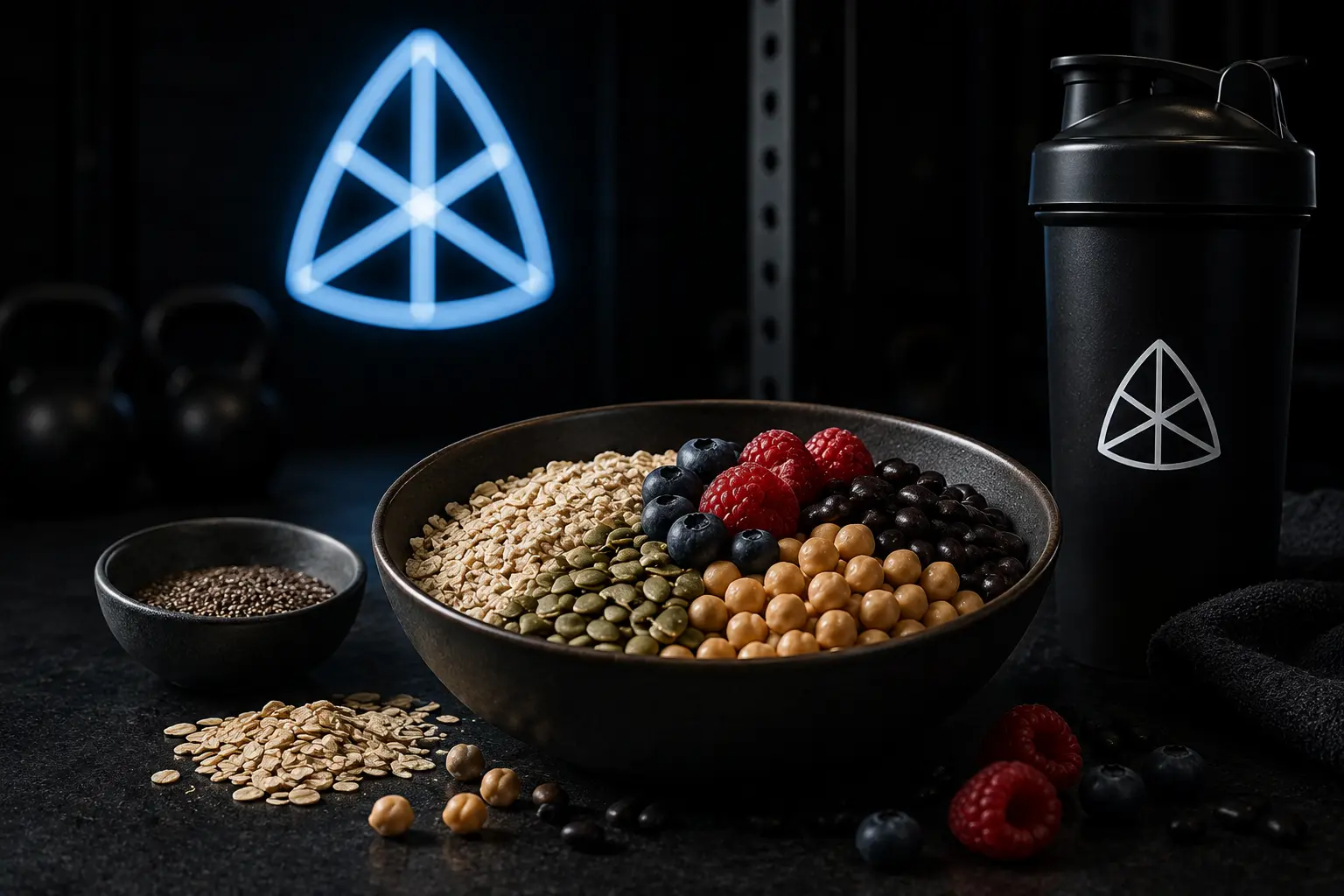
Fiber: The Carbohydrate Nobody’s Tracking
Protein and total carbohydrate get tracked closely. Fiber rarely does, even though research links it to microbiome diversity, recovery quality, and illness risk in athletes. This article covers why intake falls short, the protein interaction worth knowing, and a practical daily target.
-

The First Ten Clients: A Sequence, Not a Marketing Plan
Referral programmes need referrals to give. Testimonials need results to quote. A new coach has neither. This article sets out the specific sequence, personal network, manufactured proof, local visibility, then referrals, that solves the cold-start problem most marketing advice skips past.
-
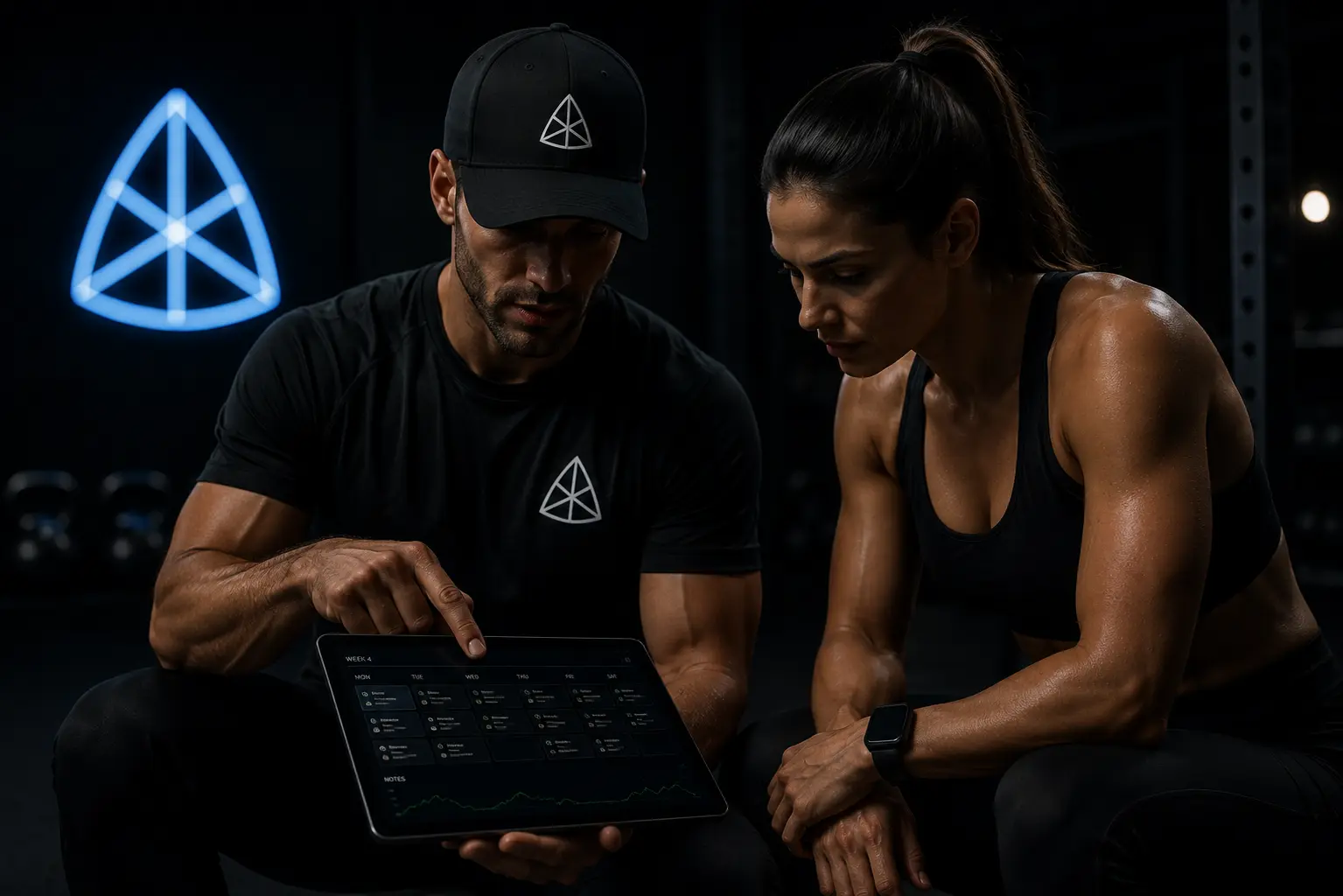
Answering the Client Question: Who Wrote My Programme?
A client asking who wrote their programme deserves a direct answer, not a dodge. This article covers why the question is becoming common, why the honest answer is rarely all-or-nothing, and a practical script for answering it in a way that builds trust.
-

Why Your Most Compliant Athletes Are the Hardest to Coach
An athlete who never misses a session and never complains is not necessarily an athlete without a problem. Research on overreaching shows highly motivated athletes systematically under-report strain, concealing risk that a coach relying on compliance alone will not see.
-

Caffeine and Endurance Performance: What the Evidence Supports
Caffeine is among the most consistently supported ergogenic aids in sports nutrition. This article covers the dose range and timing behind that effect, and the CYP1A2 genetic variation that can turn an effective protocol into an ineffective or counterproductive one for a meaningful minority of athletes.
-

The Coach-to-Client Ratio Problem
The coach-to-client ratio is treated as a business decision, when it functions equally as a quality-of-care decision. This article covers why coaching quality degrades in a threshold pattern rather than a smooth decline, what erodes first, and how to extend the effective ceiling without sacrificing individualisation.
-
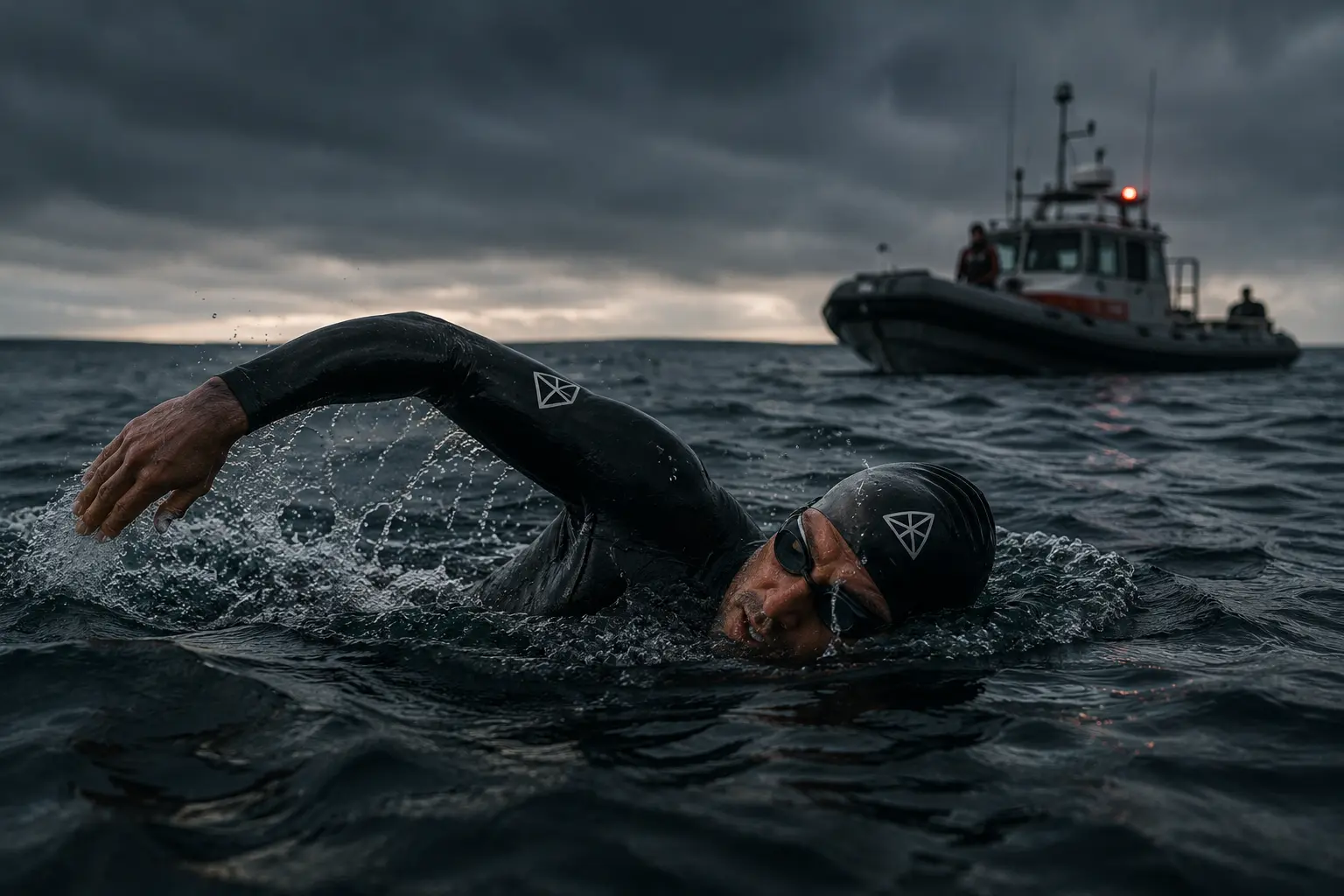
56 Hours, No Sleep, One Sea: What Kubkowski’s Baltic Swim Act Demanded
Bartłomiej Kubkowski became the first person to swim the 160km Baltic Sea route between Sweden and Poland, in roughly 56 sleepless hours. This article uses his crossing to look at what continuous multi-day endurance actually requires: sleep deprivation as a safety issue, cold-water thermoregulation, and fueling a body that can’t stop moving.
-
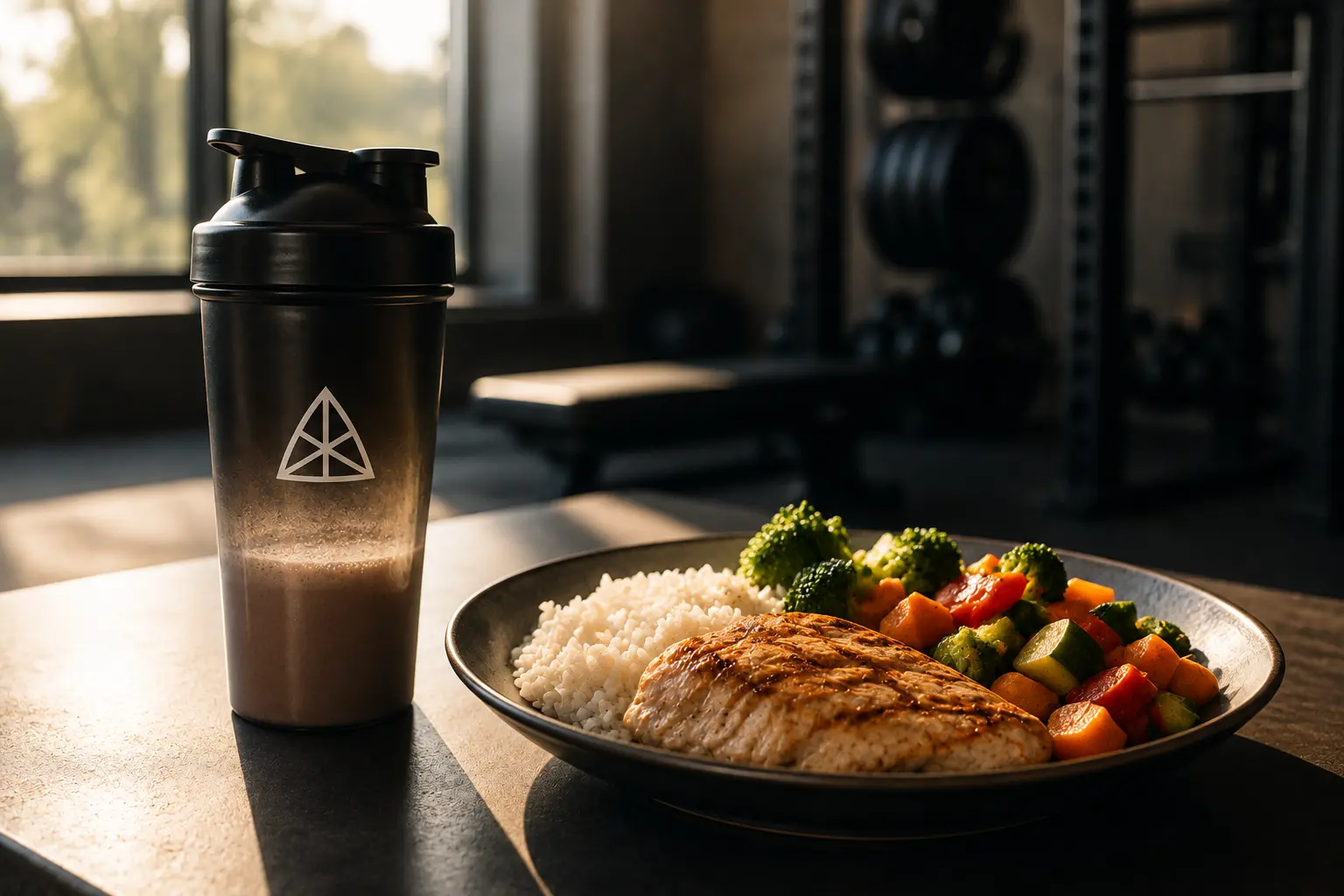
Does Post-Workout Protein Timing Actually Matter?
Muscle protein synthesis stays elevated for up to 24 hours after training, not 30 minutes. This article covers why total daily protein intake matters more than post-workout timing, what distribution still adds, and the one situation where timing genuinely does matter more.
-

Finnish Sauna – Heat and Longevity
Finnish cohort studies link frequent sauna use to a 40 to 63 percent lower risk of cardiovascular and all-cause mortality. This article covers the dose-response data behind that claim, and an honest look at why a controlled trial testing the leading mechanistic explanation didn’t confirm it.