
Tag: sports science
-
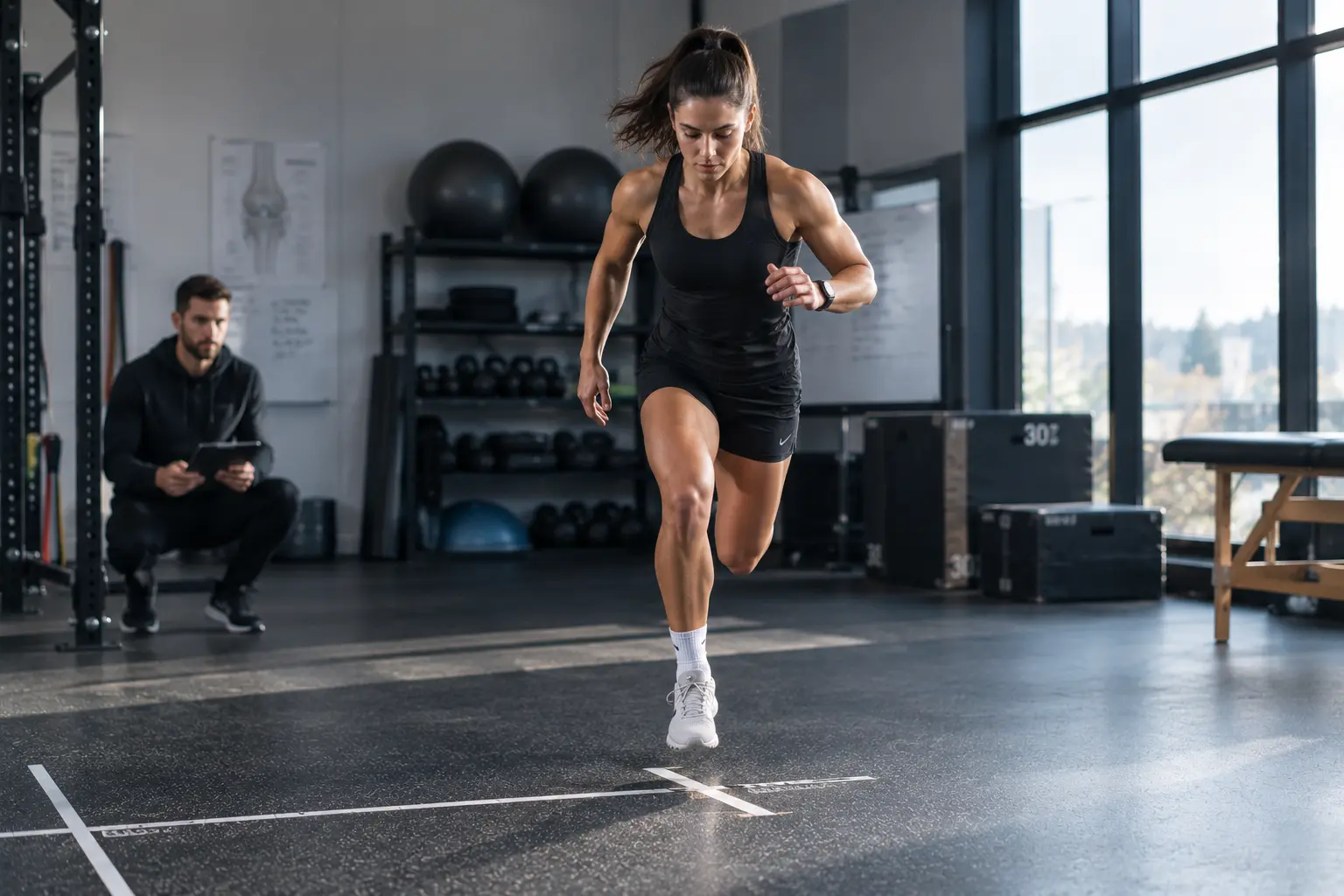
Return-to-Play Testing: What the Symmetry Score Misses
An athlete can hit a passing symmetry score and still carry real reinjury risk. This article covers what research on return-to-play testing has found, why the standard limb symmetry index has documented validity problems, and what a more defensible testing approach looks like.
-
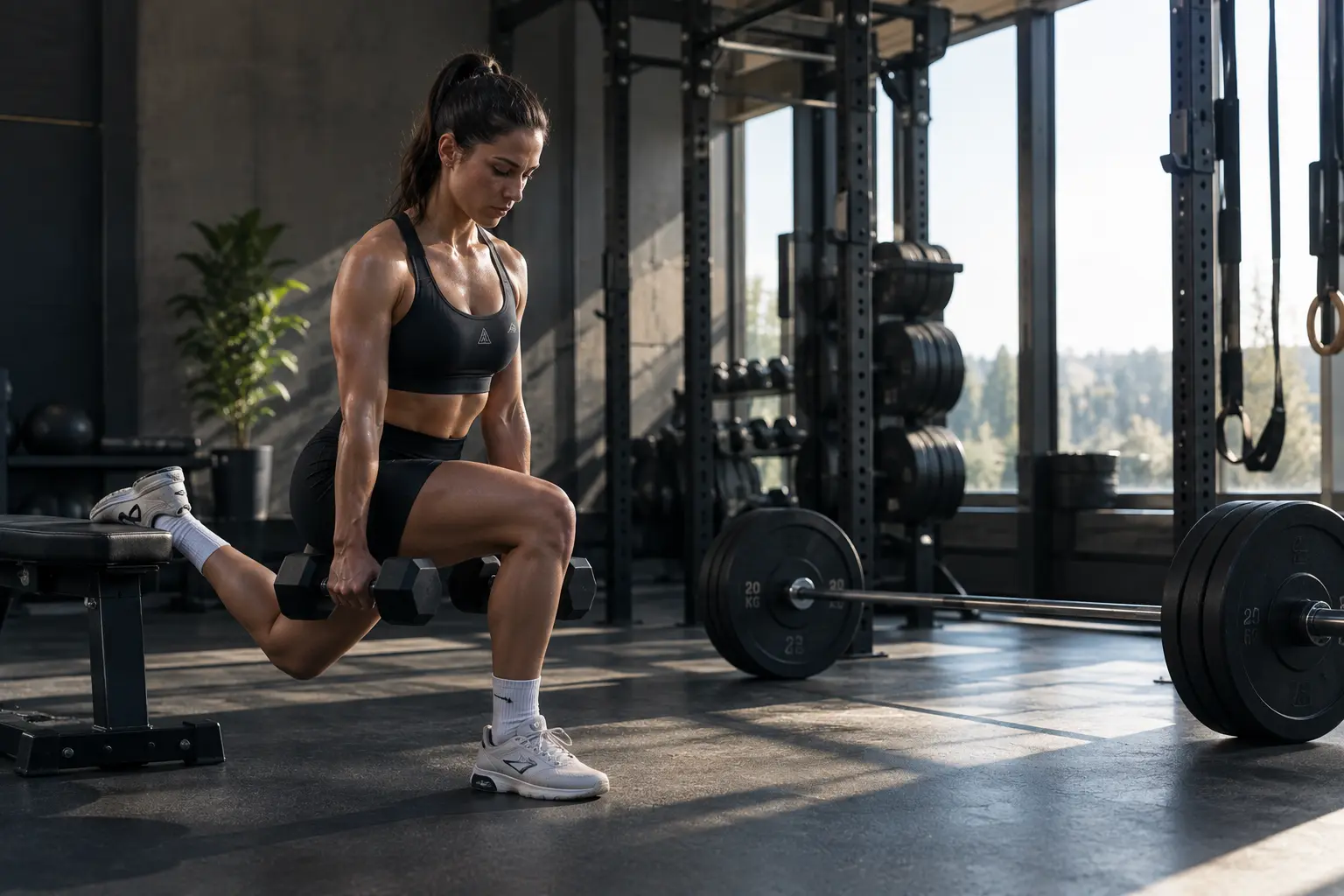
Unilateral vs Bilateral Training: Is One Better?
Online debate treats unilateral versus bilateral training as a real fork in the road. A 2025 meta-analysis pooling every controlled comparison gives a precise answer: no hypertrophy difference, and strength gains that follow the exact pattern trained. This article covers the findings and how to apply them.
-
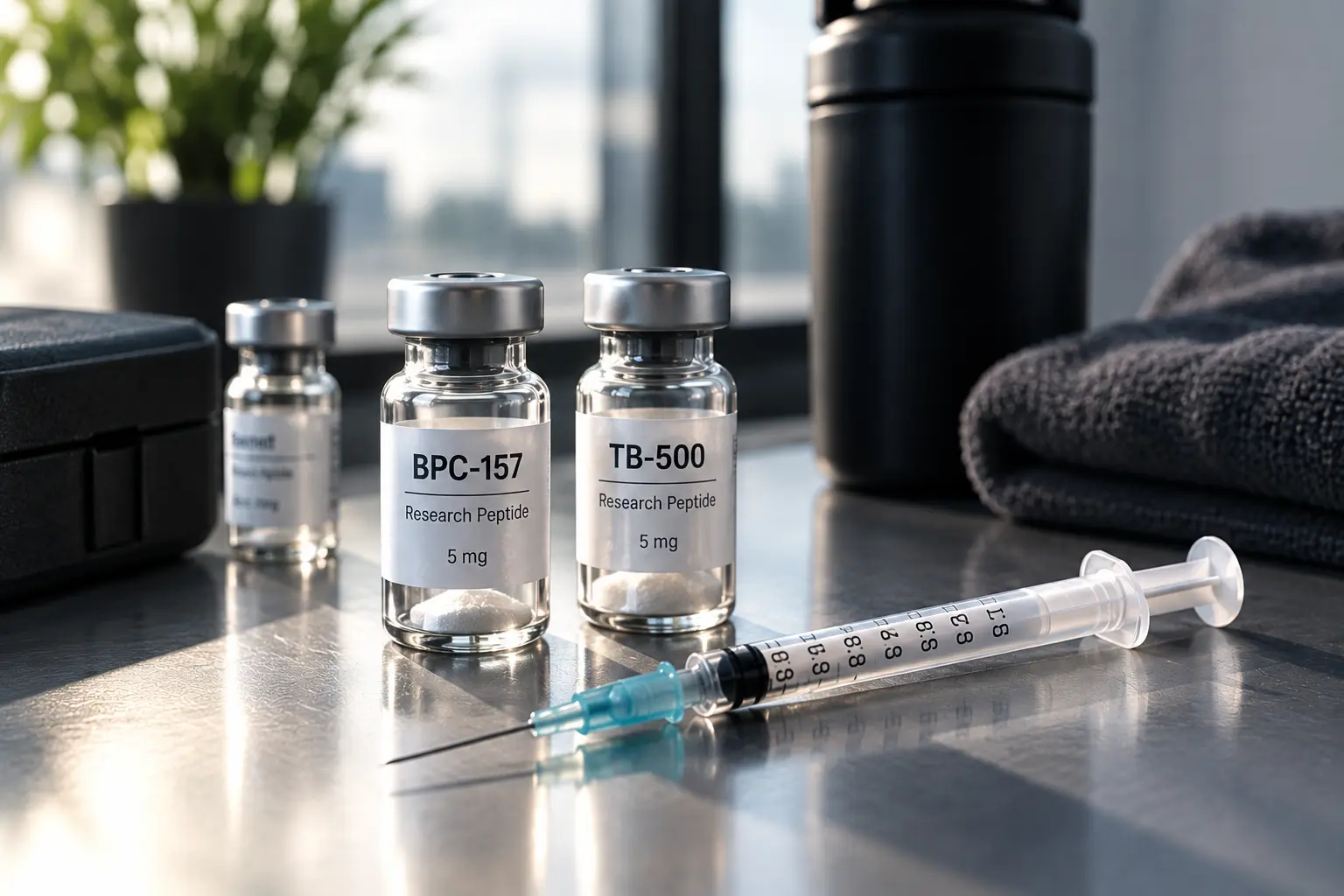
Peptides: What’s Been Studied, and What People Are Injecting Anyway
Peptide use has surged in fitness and wellness spaces, marketed as safe, targeted, naturally-derived compounds. Most popular peptides have never been tested in human clinical trials. This article covers the actual research gap, why the “research chemical” label matters, and where genuine, evidence-backed peptide therapy exists.
-
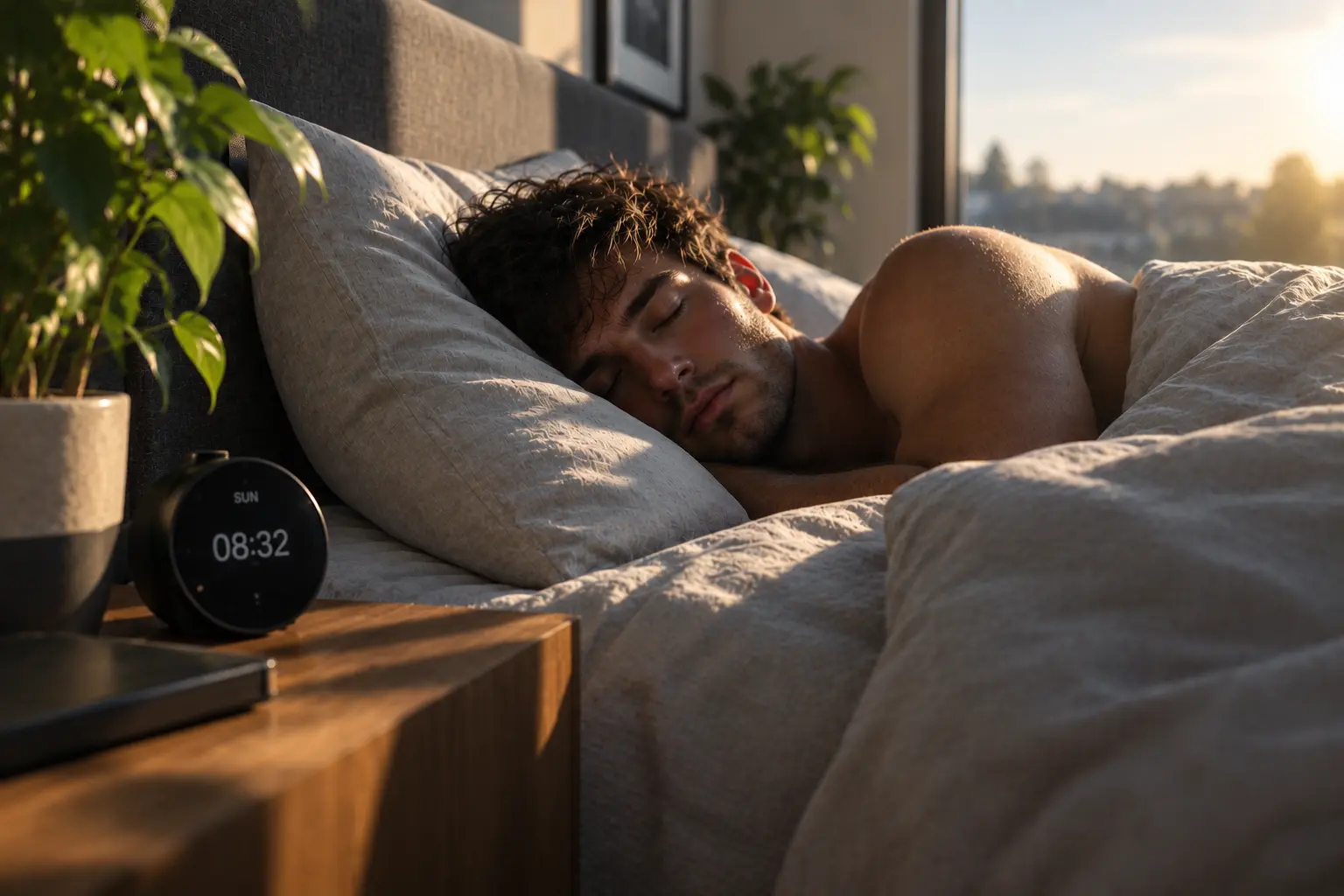
Sleep Debt and Strength Performance: How Much Does Catch-Up Sleep Help?
Feeling recovered after a big catch-up weekend isn’t the same as being metabolically recovered. This article covers what the research shows about recovery sleep, why cognitive and metabolic systems recover at different speeds, and what that means for planning around a demanding training week.
-
Why Your Most Compliant Athletes Are the Hardest to Coach
An athlete who never misses a session and never complains is not necessarily an athlete without a problem. Research on overreaching shows highly motivated athletes systematically under-report strain, concealing risk that a coach relying on compliance alone will not see.
-
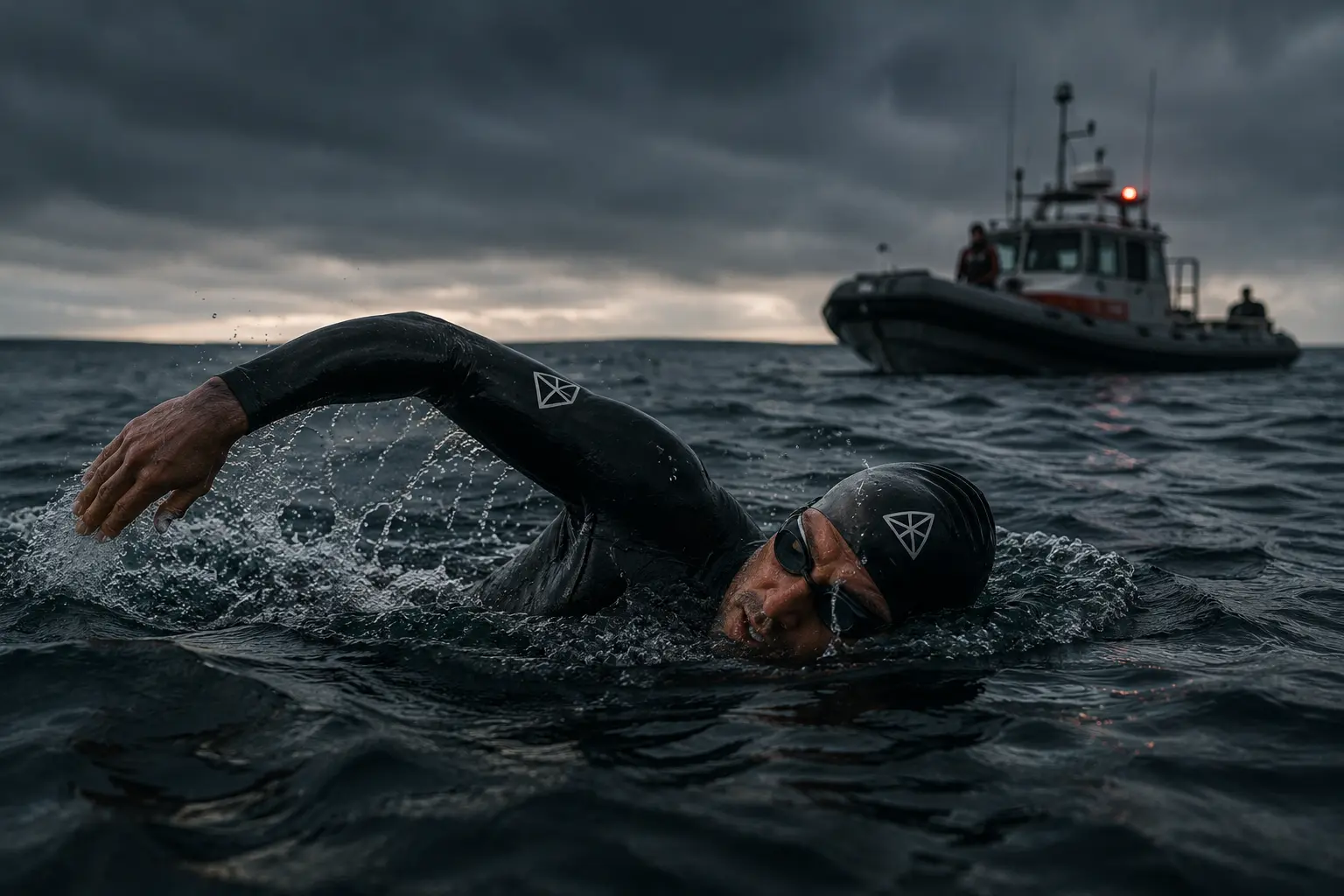
56 Hours, No Sleep, One Sea: What Kubkowski’s Baltic Swim Act Demanded
Bartłomiej Kubkowski became the first person to swim the 160km Baltic Sea route between Sweden and Poland, in roughly 56 sleepless hours. This article uses his crossing to look at what continuous multi-day endurance actually requires: sleep deprivation as a safety issue, cold-water thermoregulation, and fueling a body that can’t stop moving.
-
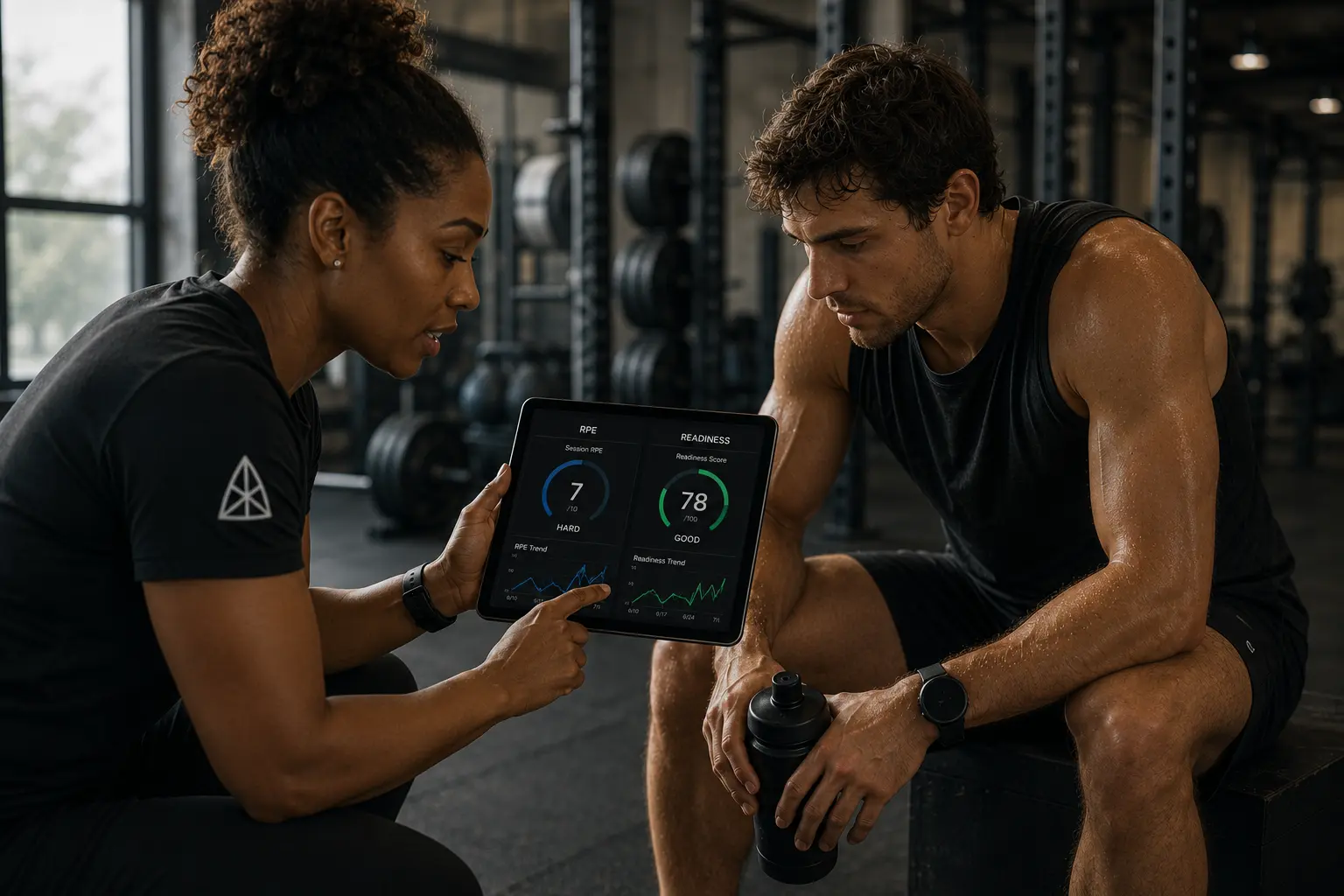
When RPE and Readiness Scores Disagree, Which One Do You Trust?
RPE and wearable readiness scores measure different things, and expecting them to always agree misunderstands what each is built to do. This article covers where they typically diverge, why, and a practical framework for what to do when an athlete’s self-report and their device disagree.
-
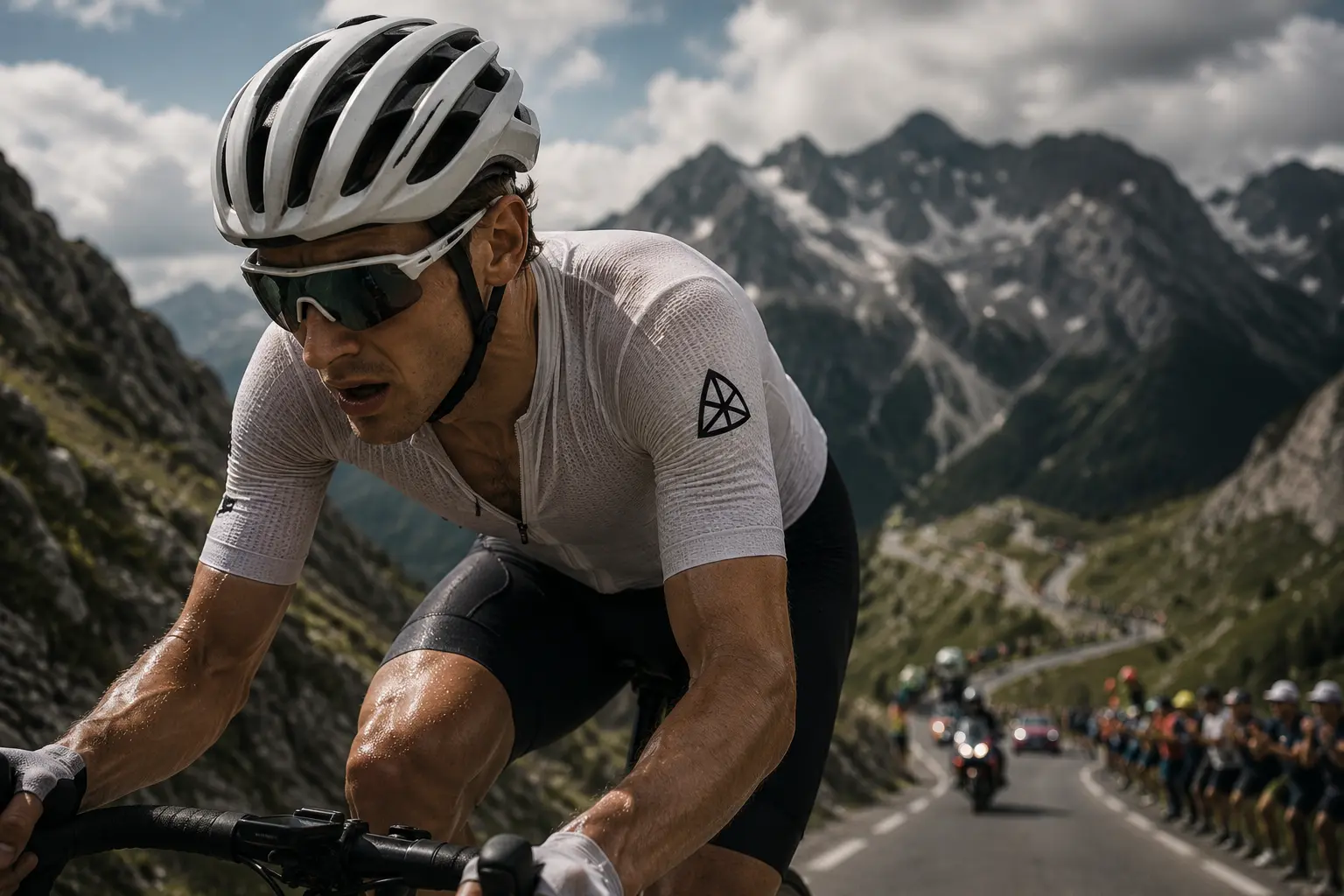
What Pogačar’s Fifth Tour de France Win Actually Required
Pogačar’s fifth Tour de France win ties the all-time record, secured from stage 6 onward. This article uses his race as an entry point into the fatigue-management and load principles behind holding peak performance across three weeks, not just reaching it on one day.
-
The Talent Identification Trap: Relative Age Effect
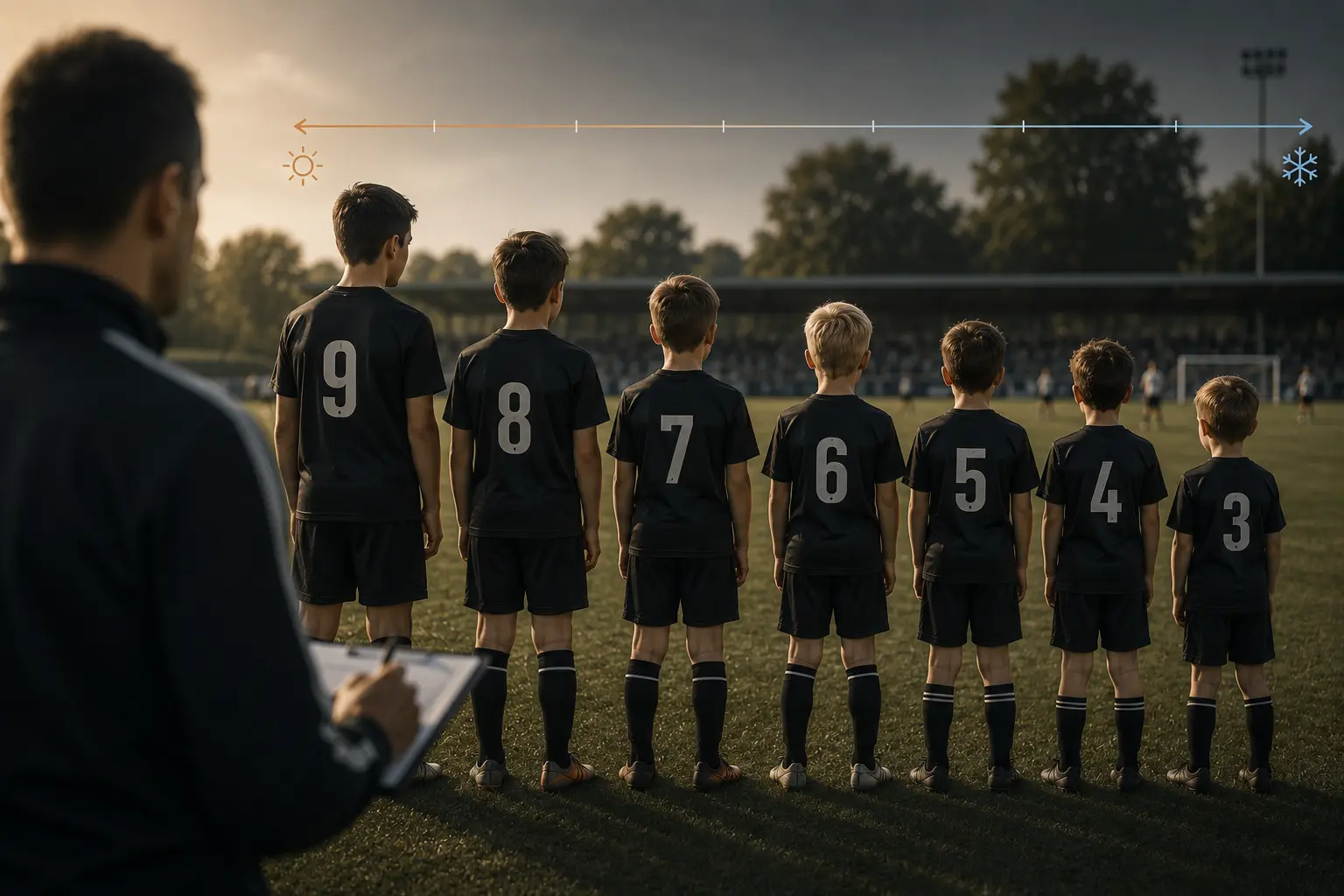
An eleven-month age gap in youth sport can look exactly like a talent gap, and coaches consistently select for it. This article covers the relative age effect, why the resulting skill gap often isn’t real, and the specific point in elite development where the bias quietly corrects itself, too late for many of the players…
-
What 507 Athlete Cohorts Tell Us About Somatotype, and How to Use It
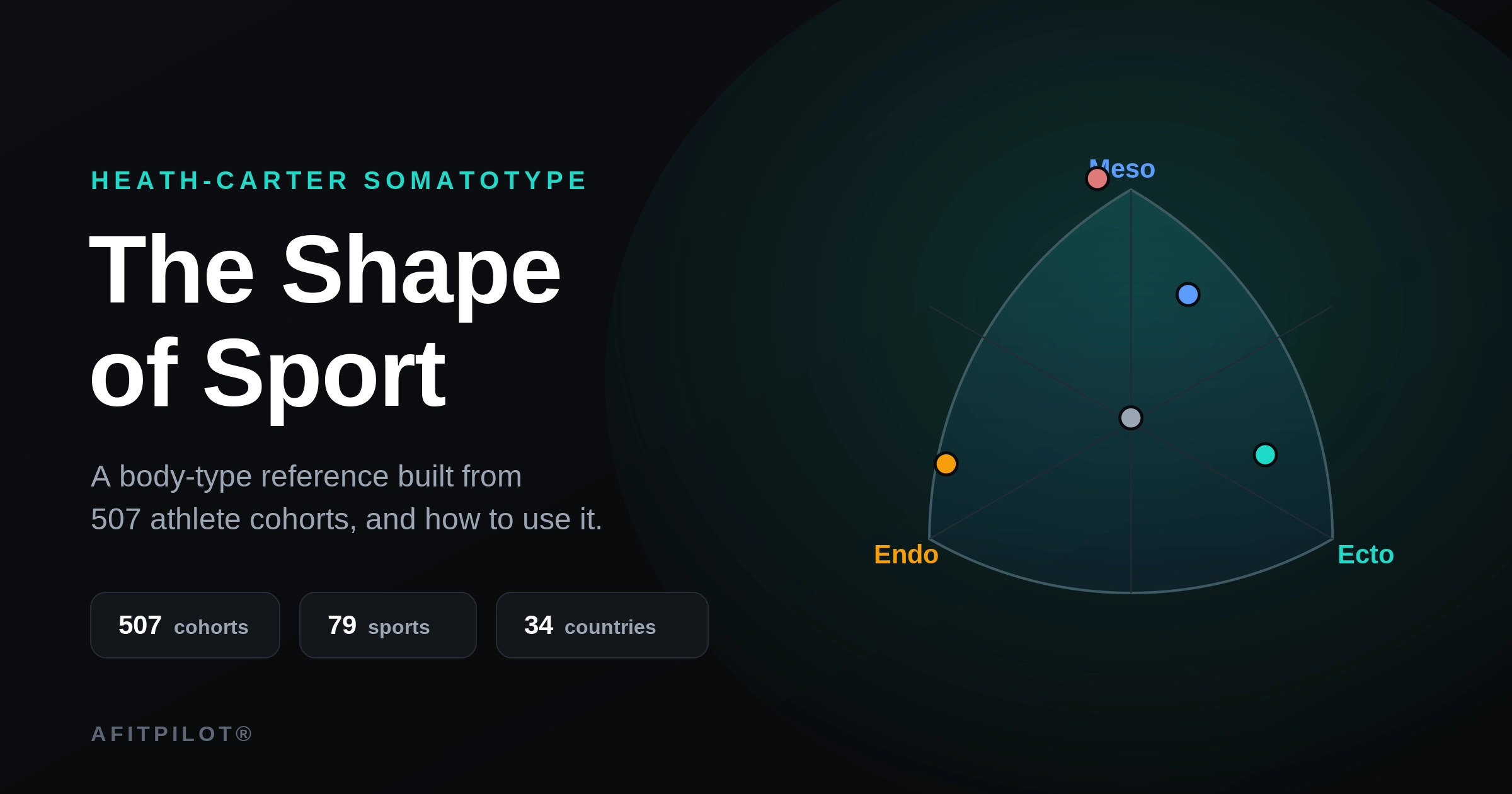
Somatotype scores physique on three components: fatness, muscularity, and linearity. Drawing on a reference dataset of 507 athlete cohorts, this article shows how builds converge by sport and position, from the most muscular powerlifters to the most linear volleyball players. It then separates the trainable components from the fixed ones, so the method can be…