
Tag: Exercise Science
-

Unilateral vs Bilateral Training: Is One Better?
Online debate treats unilateral versus bilateral training as a real fork in the road. A 2025 meta-analysis pooling every controlled comparison gives a precise answer: no hypertrophy difference, and strength gains that follow the exact pattern trained. This article covers the findings and how to apply them.
-

Time-Restricted Eating and Athletic Performance
Time-restricted eating comes with strong general wellness messaging, but the research specifically on training performance and muscle retention is more mixed than the popular version suggests. This article covers where TRE holds up well, and where a genuine caveat applies for muscle-building goals.
-

Creatine Loading Phase: Necessary or Just Faster?
Loading and low-dose maintenance protocols reach identical final creatine saturation levels. This article covers what the research shows about the three-week timeline difference, the real minor costs of loading, and when that faster timeline is worth it.
-
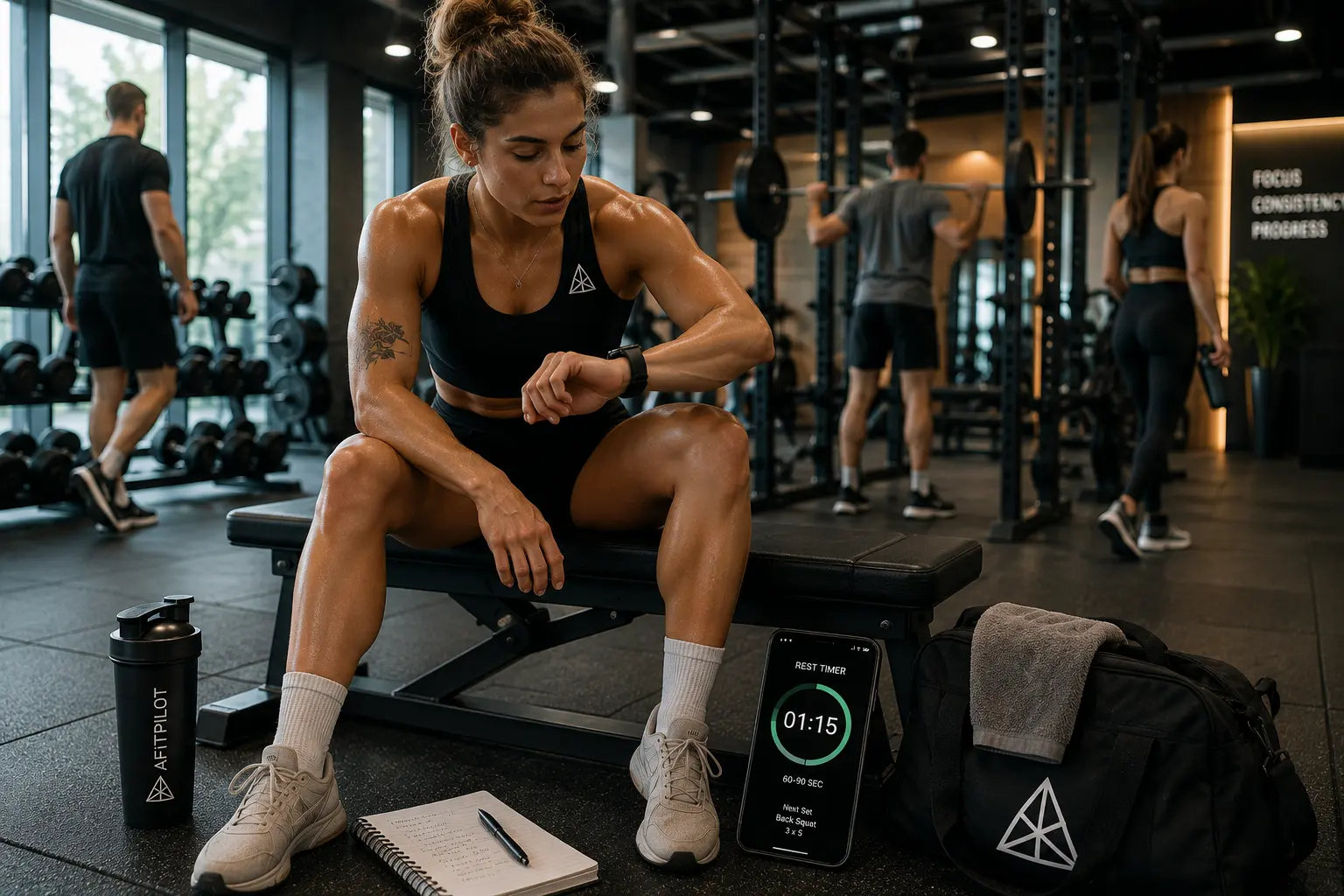
How Much Rest Between Sets Actually Matters
The 60-to-90-second rest rule for hypertrophy has a real origin, but the research behind it has moved on. This article covers why longer rest intervals show no hypertrophy disadvantage in recent meta-analyses, why volume-load matters more than metabolic stress, and a practical rest interval range for strength and hypertrophy training.
-

Training to Failure: Science behind it
Training to failure and training with reps in reserve are not simply better or worse versions of the same thing. This article covers the current dose-response evidence showing hypertrophy and strength respond differently to proximity to failure, and a practical framework for when pushing closer to failure is worth it.
-

Muscle Memory: What Actually Stays When You Stop Training
Muscle memory, the fast comeback after a training layoff, has a genuine cellular explanation involving retained myonuclei, and a competing explanation involving the nervous system. This article covers both mechanisms, what animal and human research actually show, and what it means for programming a returning client.
-
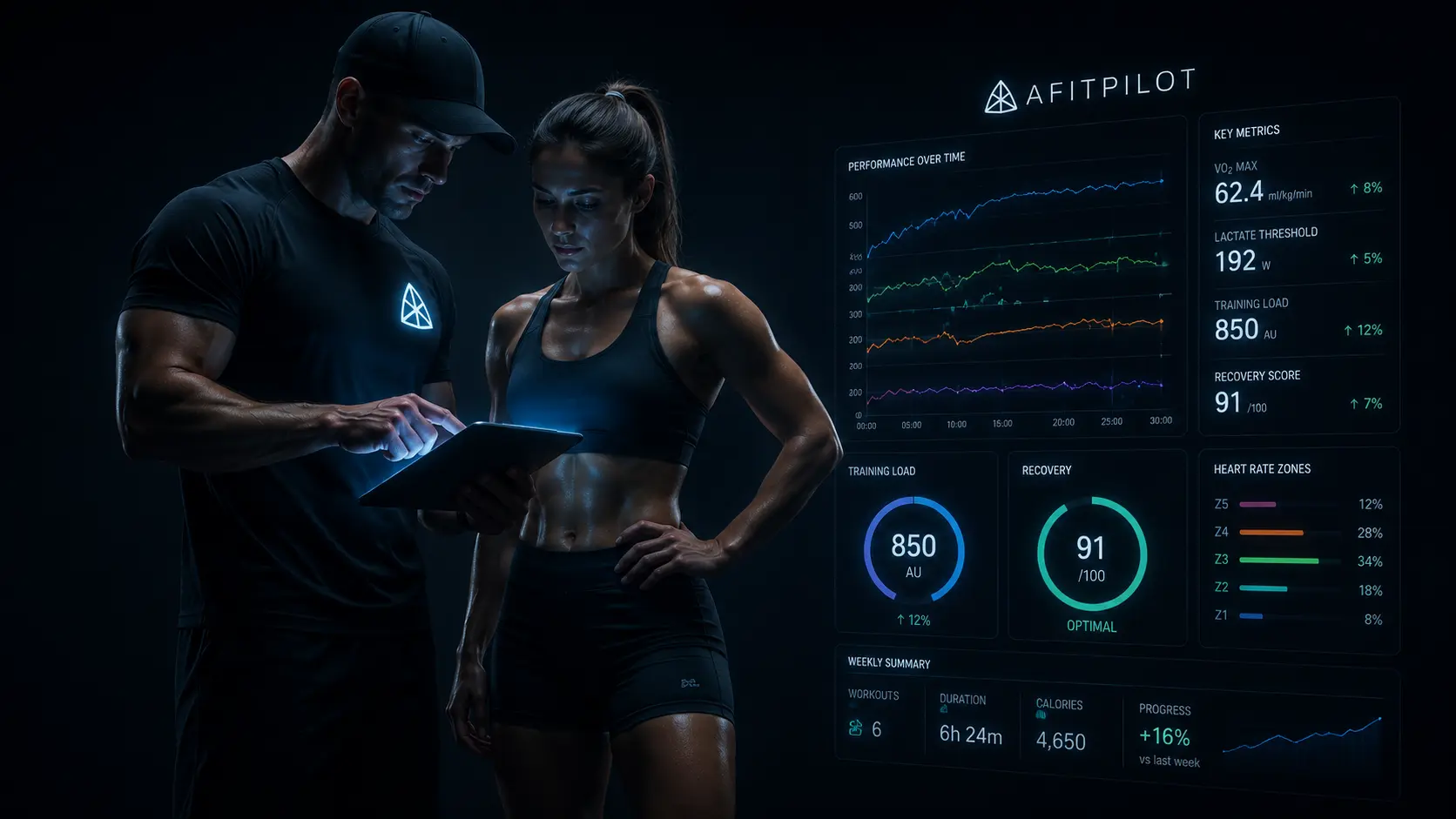
Why the Best Fitness Coaches Are Replacing Guesswork with Data — and What That Means for You
Every coach has seen it: two clients, same program, completely different results. The science has known why for decades. Data-driven AI coaching is finally the tool that lets you act on it.