
Tag: afitpilot
-
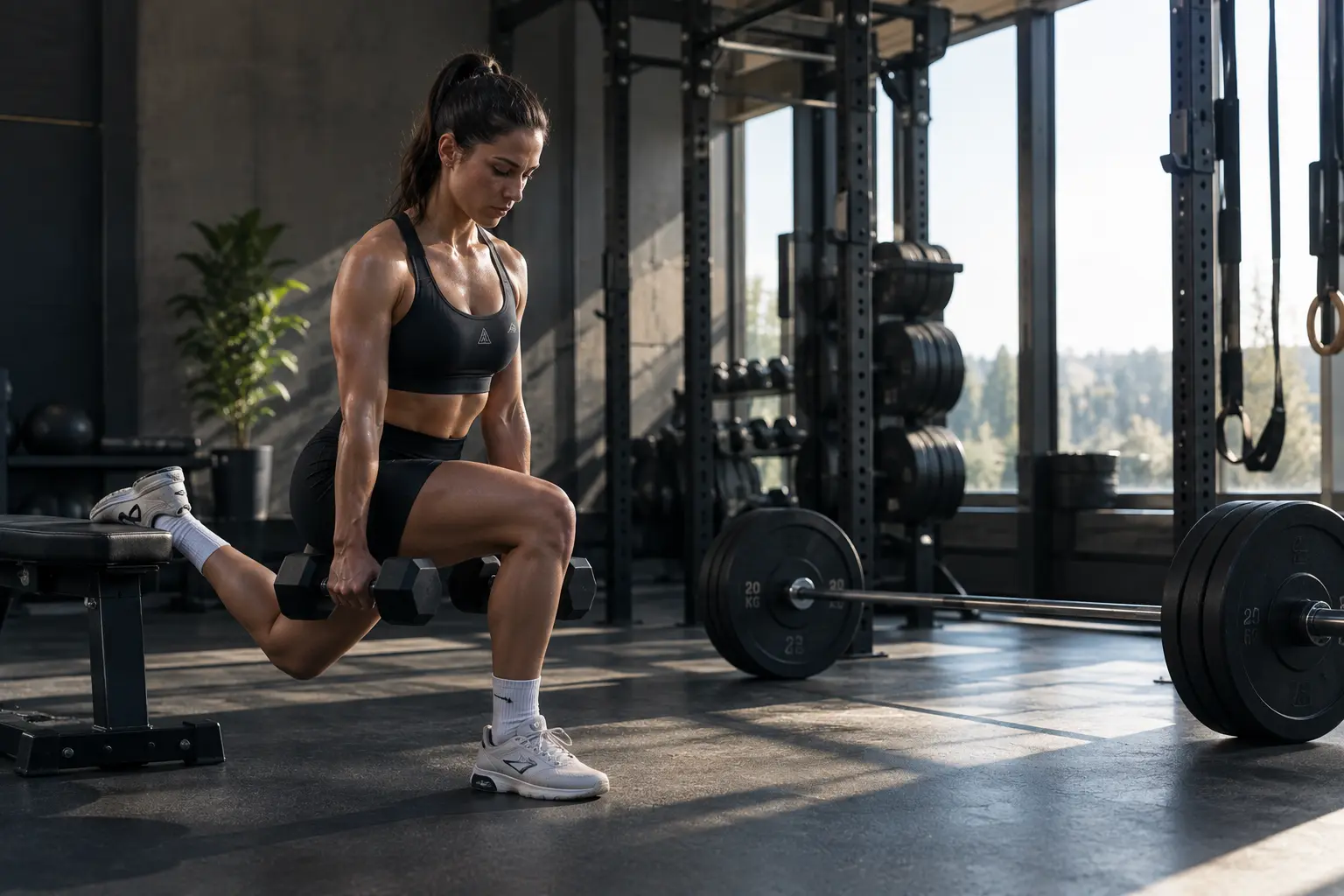
Unilateral vs Bilateral Training: Is One Better?
Online debate treats unilateral versus bilateral training as a real fork in the road. A 2025 meta-analysis pooling every controlled comparison gives a precise answer: no hypertrophy difference, and strength gains that follow the exact pattern trained. This article covers the findings and how to apply them.
-
Ozempic Is Costing Your Clients Muscle: What the Science Says About Training Through GLP-1 Weight Loss
A quarter to nearly half of the weight lost on Ozempic and Mounjaro isn’t fat — it’s lean mass. The drug creates the deficit; what clients do inside it decides whether they keep their muscle. Why GLP-1 clients need adaptive, per-session programming, and why that’s impossible to deliver at scale by hand.
-
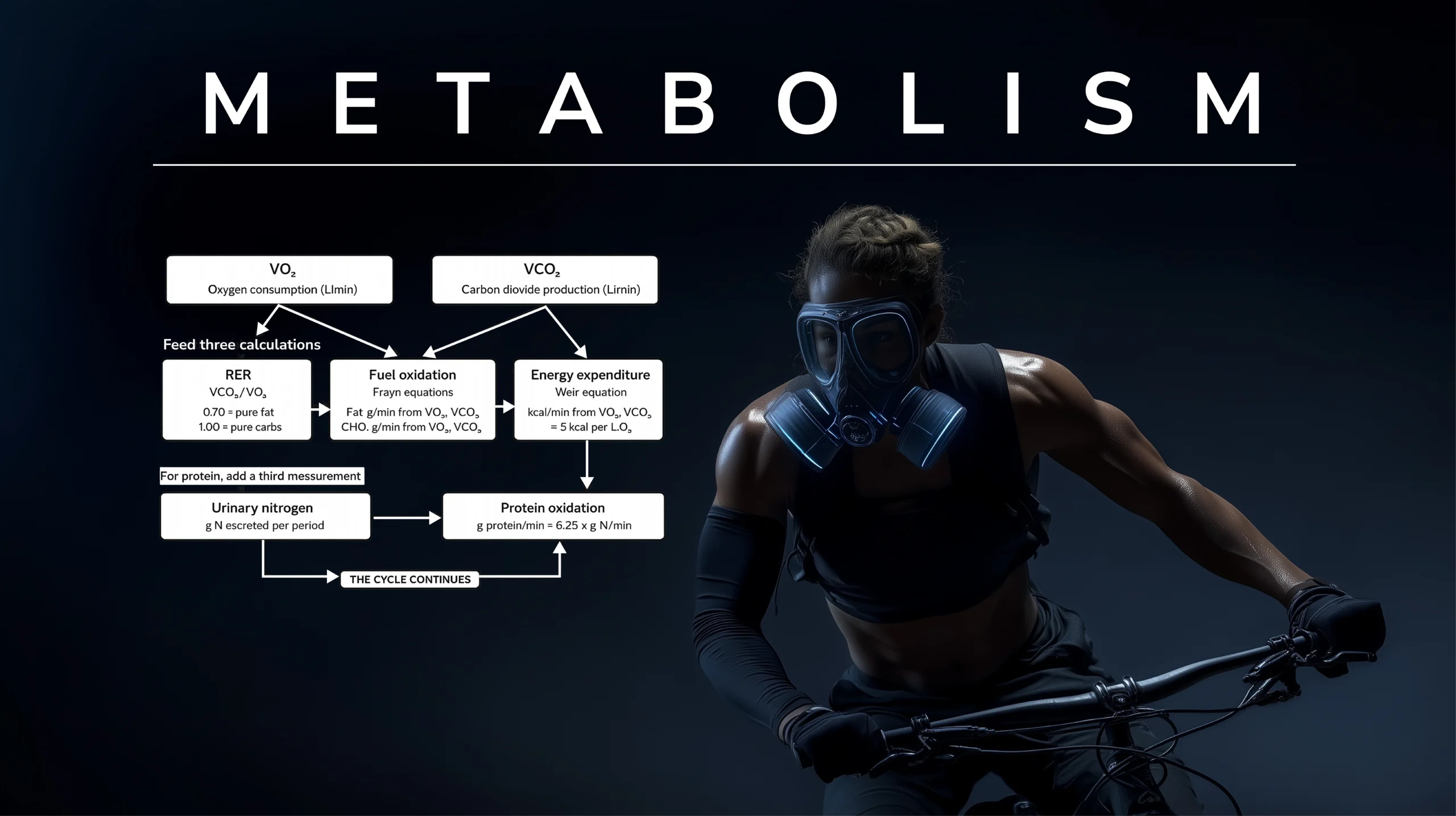
Claude Gordon Douglas
Claude Gordon Douglas published a method in 1911 that became the gold standard for measuring human metabolism for most of the 20th century. The method is named after the bag he designed to collect exhaled air — a canvas bag, a mouthpiece, a one-way valve, a stopcock. From that apparatus, plus two analytical refinements published…
-
Reps in reserve
Reps in reserve is the strength-training cousin of Borg’s perceived exertion scale, applied per set rather than per session. Unlike the other measurement instruments in this series, RIR has no single inventor — it came from a coach in 2008, a research group in 2012, and another in 2016. A history of how a powerlifting…
-
Gunnar Borg
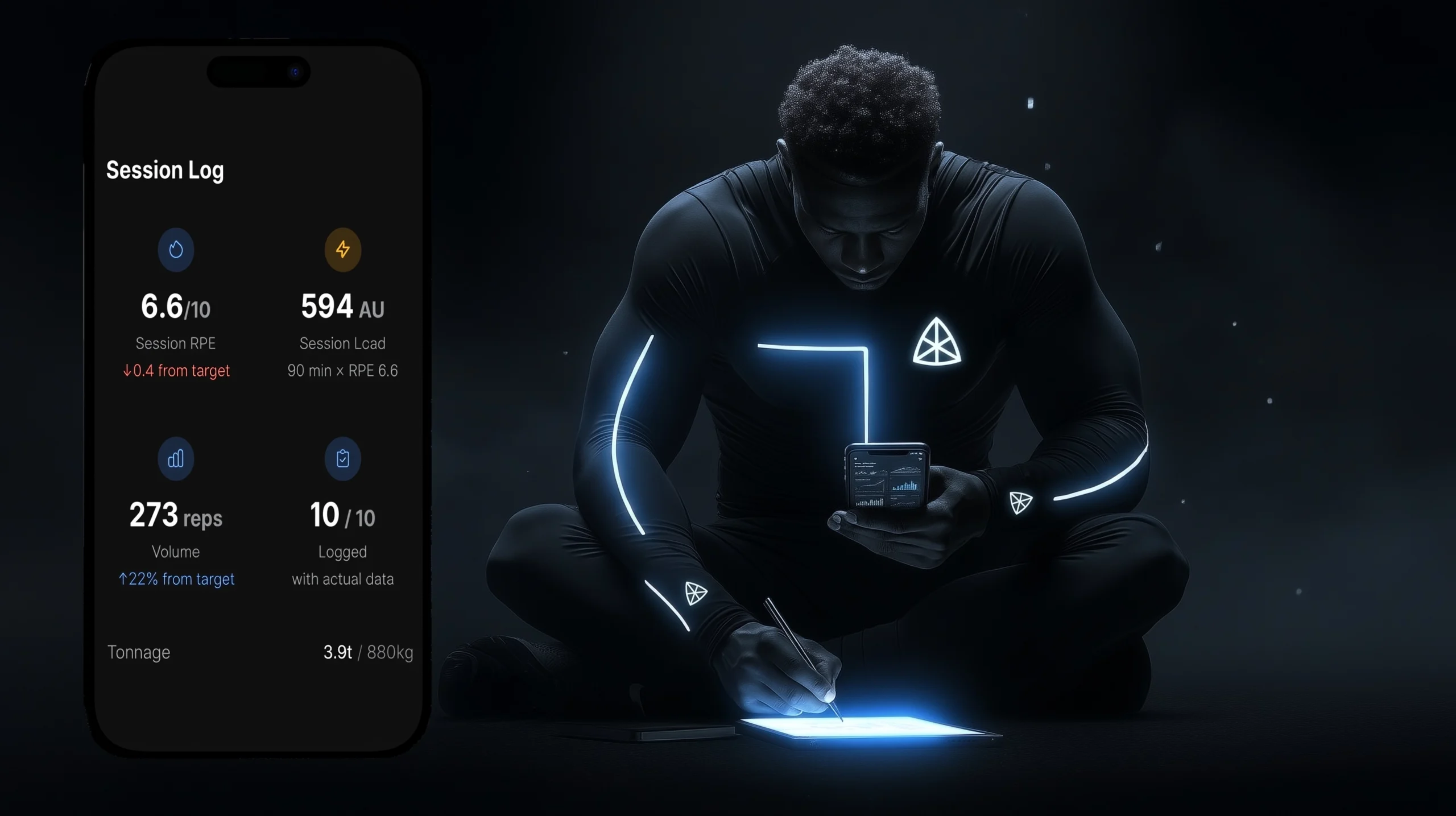
Gunnar Borg built the instrument exercise science uses to ask people how hard they are working. A history from the 6–20 scale in 1962 to the CR10 in 1982 to Foster’s session RPE in 2001, plus notes on how RPE sits inside Afitpilot — and why the acute:chronic workload ratio is shown but deliberately not…
-
Daily readiness
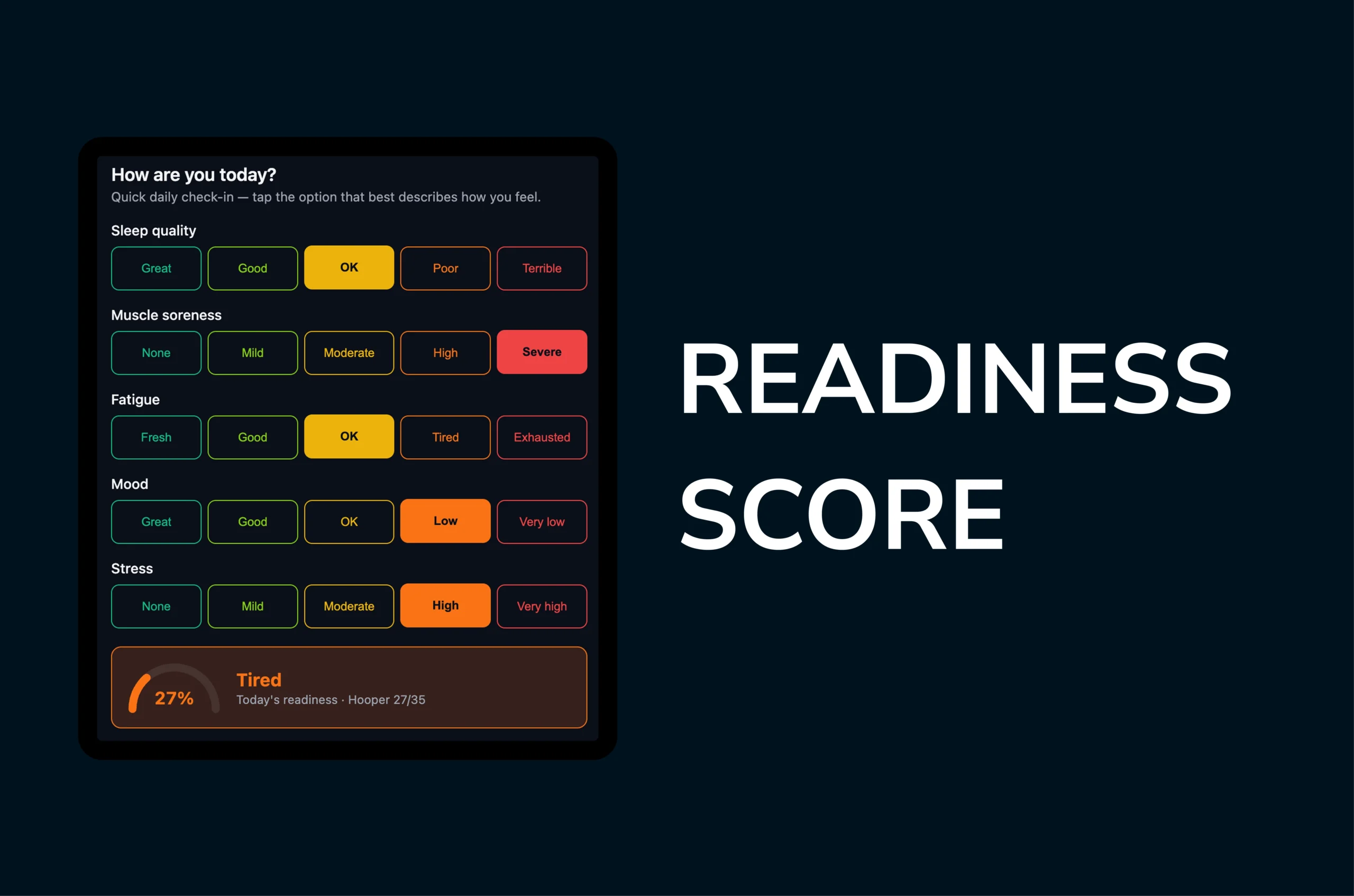
Daily readiness — asking an athlete how they feel before training — is one of the cheapest pieces of monitoring infrastructure in elite sport. According to thirty years of evidence, also one of the most informative. A history from Hooper’s 1995 swimmers to the 2016 review that surprised the field, plus notes on how readiness…
-
Ada Lovelace
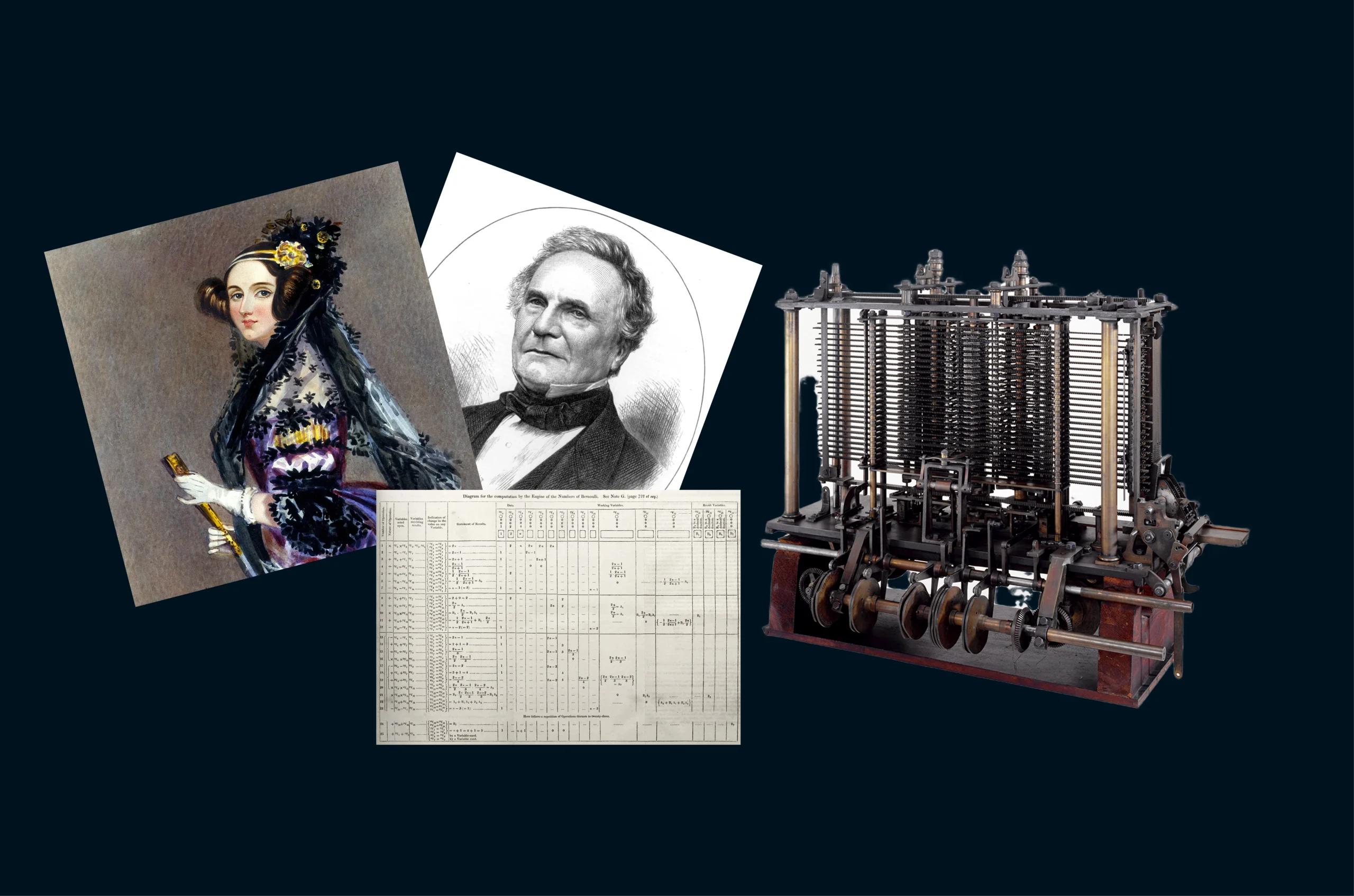
Ada Lovelace wrote the first published computer program in 1843, a step-by-step procedure for computing Bernoulli numbers on Charles Babbage’s Analytical Engine — a machine that was never built in her lifetime.
-

RPE: from a kiosk to Afitpilot
Three years ago I set up an RPE kiosk at a CrossFit box: an iPad on a stand near the exit, copied from the format you tap on the way out of an airport. After each WOD, athletes tapped a number from 1 to 10. This post covers what RPE is, what the kiosk actually…
-

How Afitpilot Became Real — And Why I Still Don’t Have All the Answers
I didn’t start Afitpilot because I had a great idea in a coffee shop. I started it because everything else had fallen apart. In February 2024, I got laid off. I’d been giving that job everything — showing up two hours early, staying an hour late, making sure they knew I was committed. Nine months…
-
Afitpilot Lite Performance Fix: From Two-Minute Load to Instant App
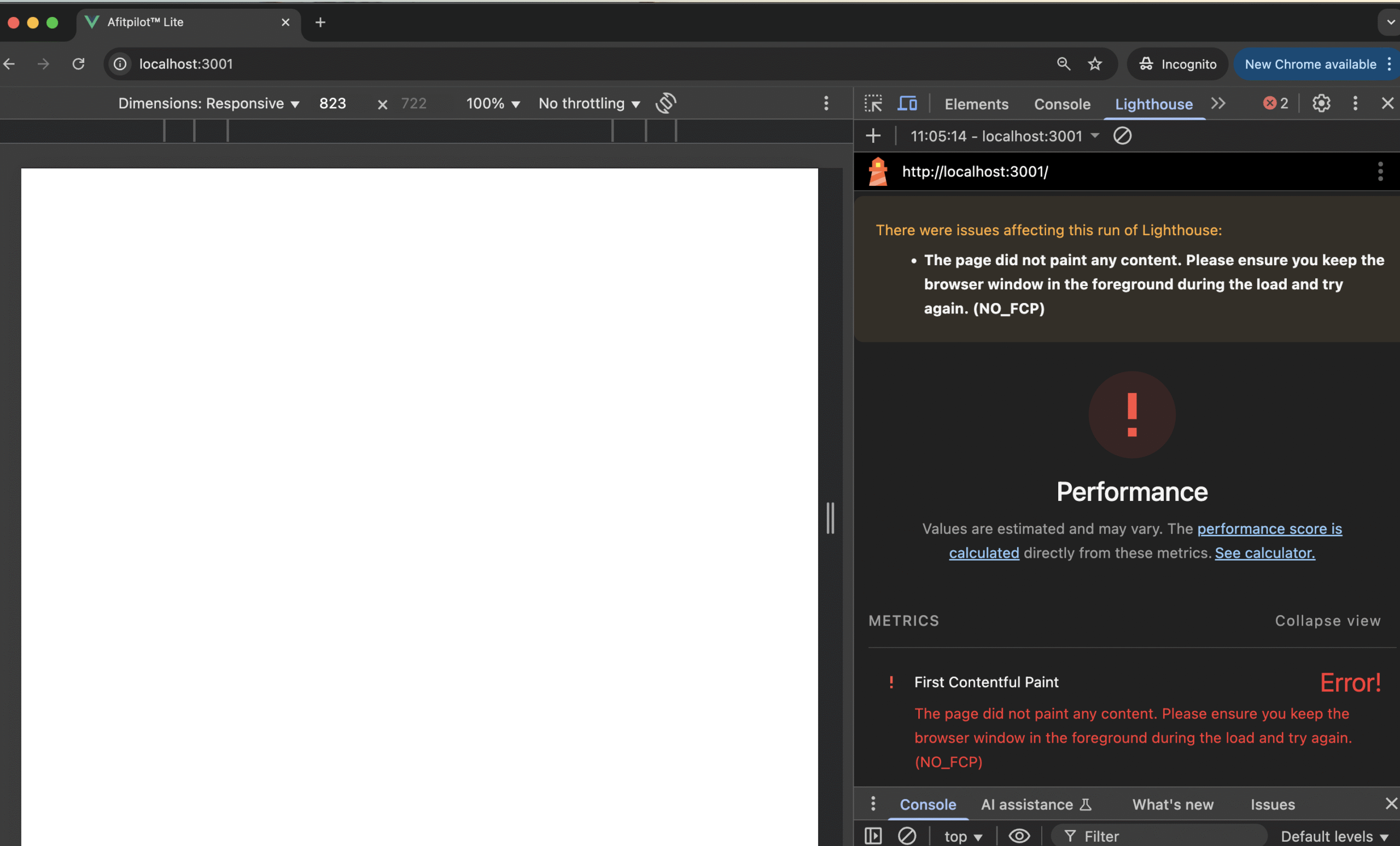
The Afitpilot Lite performance fix turned a two-minute white screen into a five-second load. By tracing the issue to Tailwind CSS blocking Vite’s build, we rebuilt the styling with manual utilities and async loading. The result: instant app startup, smooth user experience, and a critical lesson in debugging performance bottlenecks.