
Tag: athlete monitoring
-
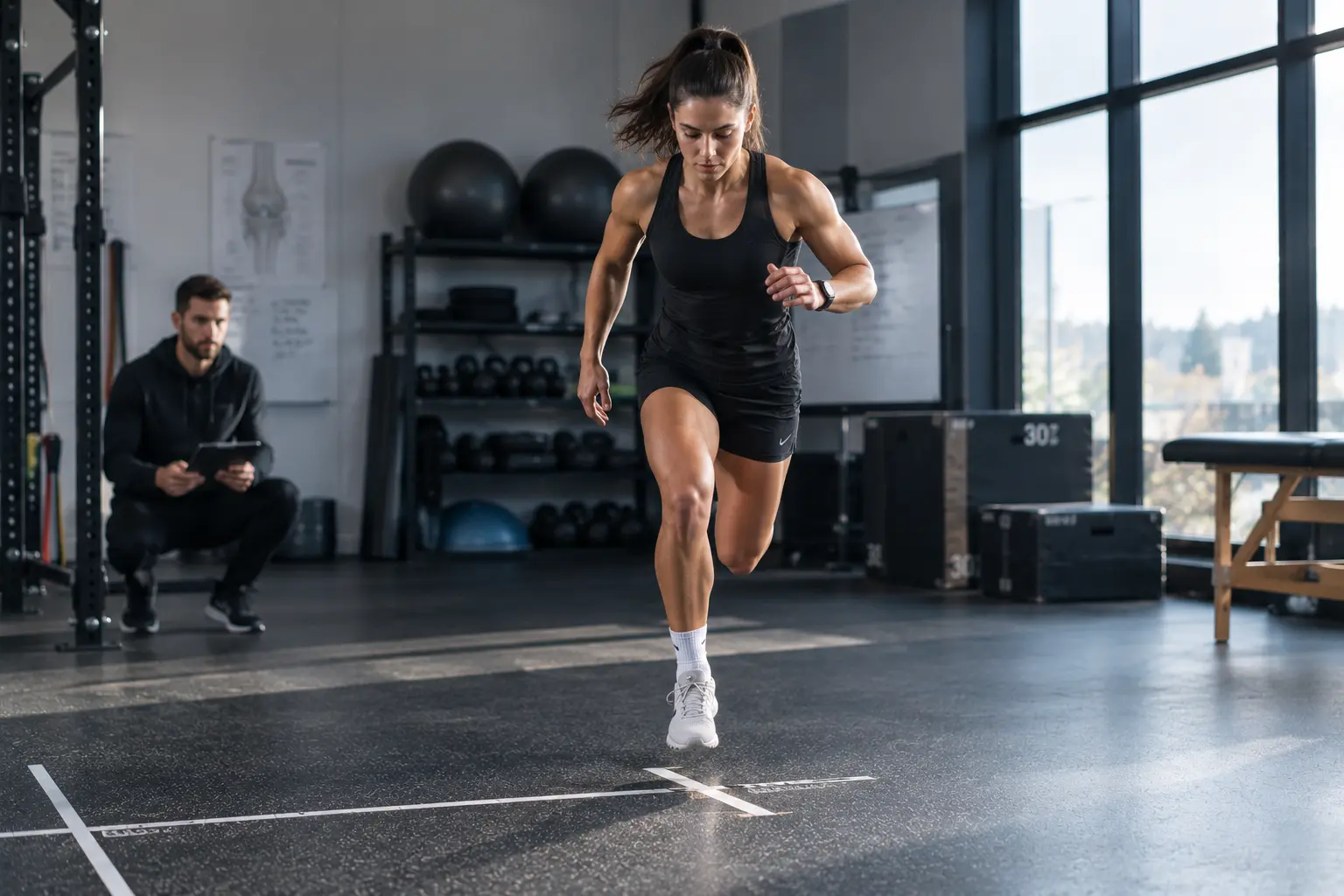
Return-to-Play Testing: What the Symmetry Score Misses
An athlete can hit a passing symmetry score and still carry real reinjury risk. This article covers what research on return-to-play testing has found, why the standard limb symmetry index has documented validity problems, and what a more defensible testing approach looks like.
-
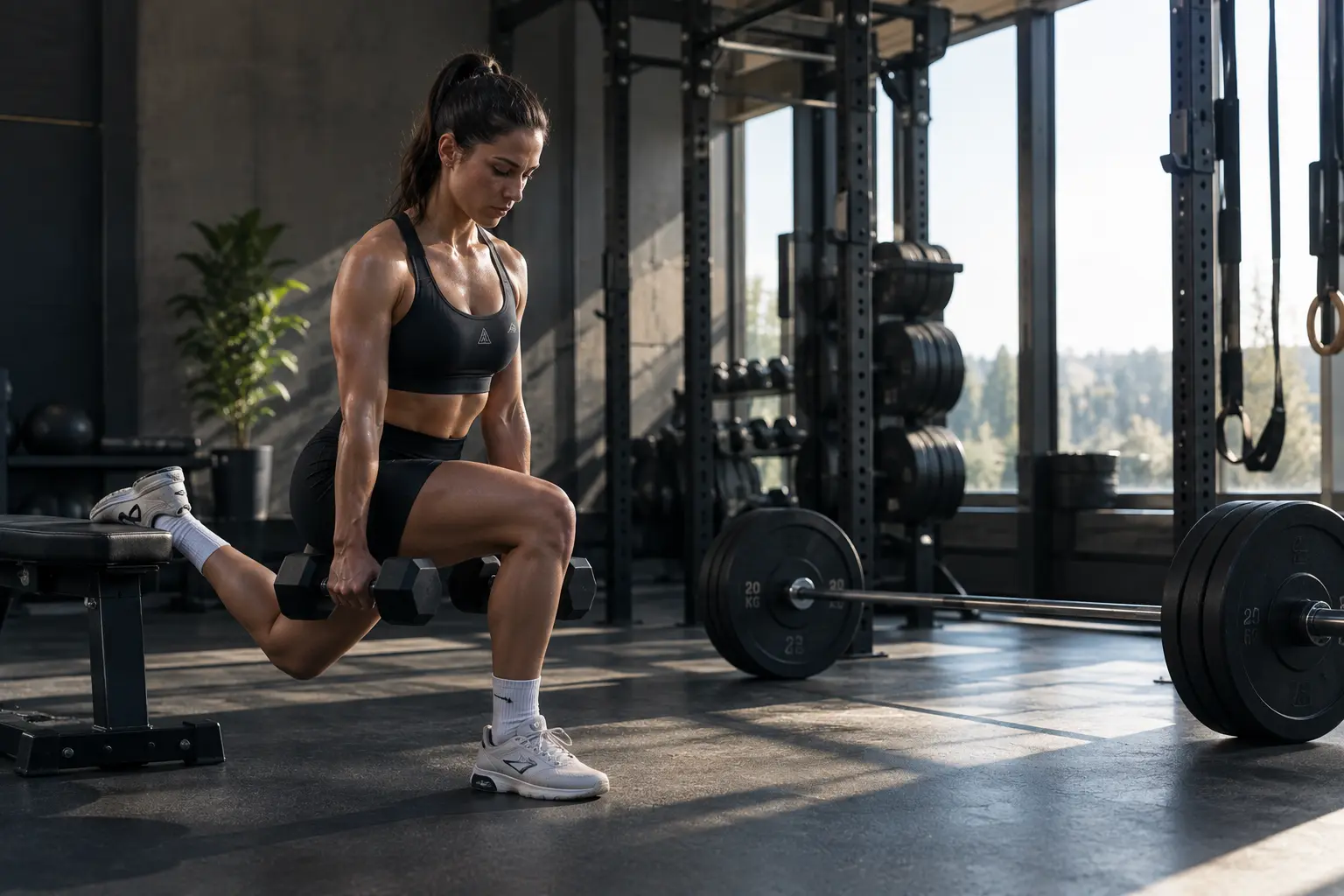
Unilateral vs Bilateral Training: Is One Better?
Online debate treats unilateral versus bilateral training as a real fork in the road. A 2025 meta-analysis pooling every controlled comparison gives a precise answer: no hypertrophy difference, and strength gains that follow the exact pattern trained. This article covers the findings and how to apply them.
-
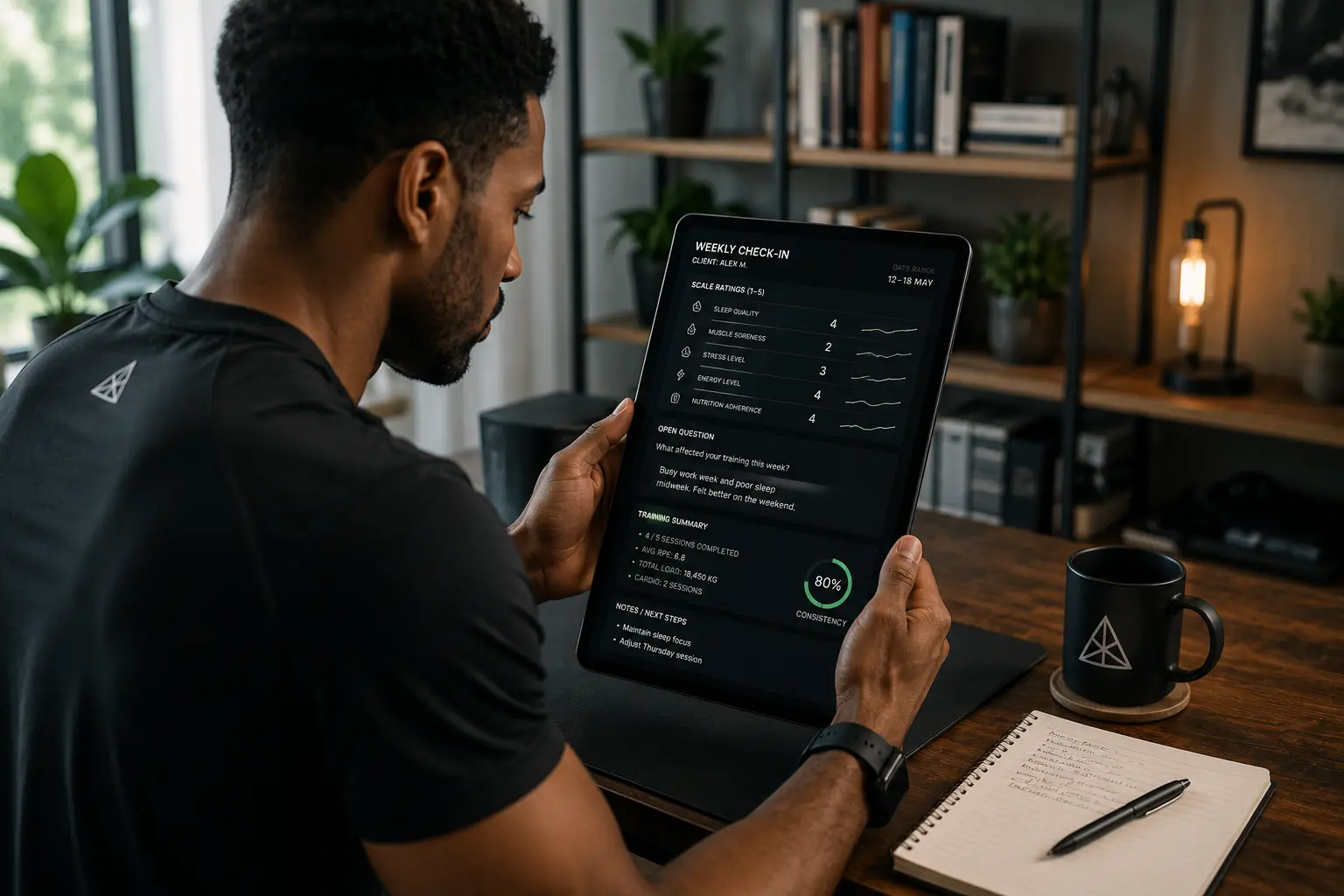
How to Structure a Client Check-In for Consistency and Speed
A well-structured check-in isn’t longer, it’s better organised. This article covers the question formats that work, what belongs in every check-in, and how to keep the process fast without it feeling impersonal to the client.
-

Why Your Most Compliant Athletes Are the Hardest to Coach
An athlete who never misses a session and never complains is not necessarily an athlete without a problem. Research on overreaching shows highly motivated athletes systematically under-report strain, concealing risk that a coach relying on compliance alone will not see.
-

The Coach-to-Client Ratio Problem
The coach-to-client ratio is treated as a business decision, when it functions equally as a quality-of-care decision. This article covers why coaching quality degrades in a threshold pattern rather than a smooth decline, what erodes first, and how to extend the effective ceiling without sacrificing individualisation.
-
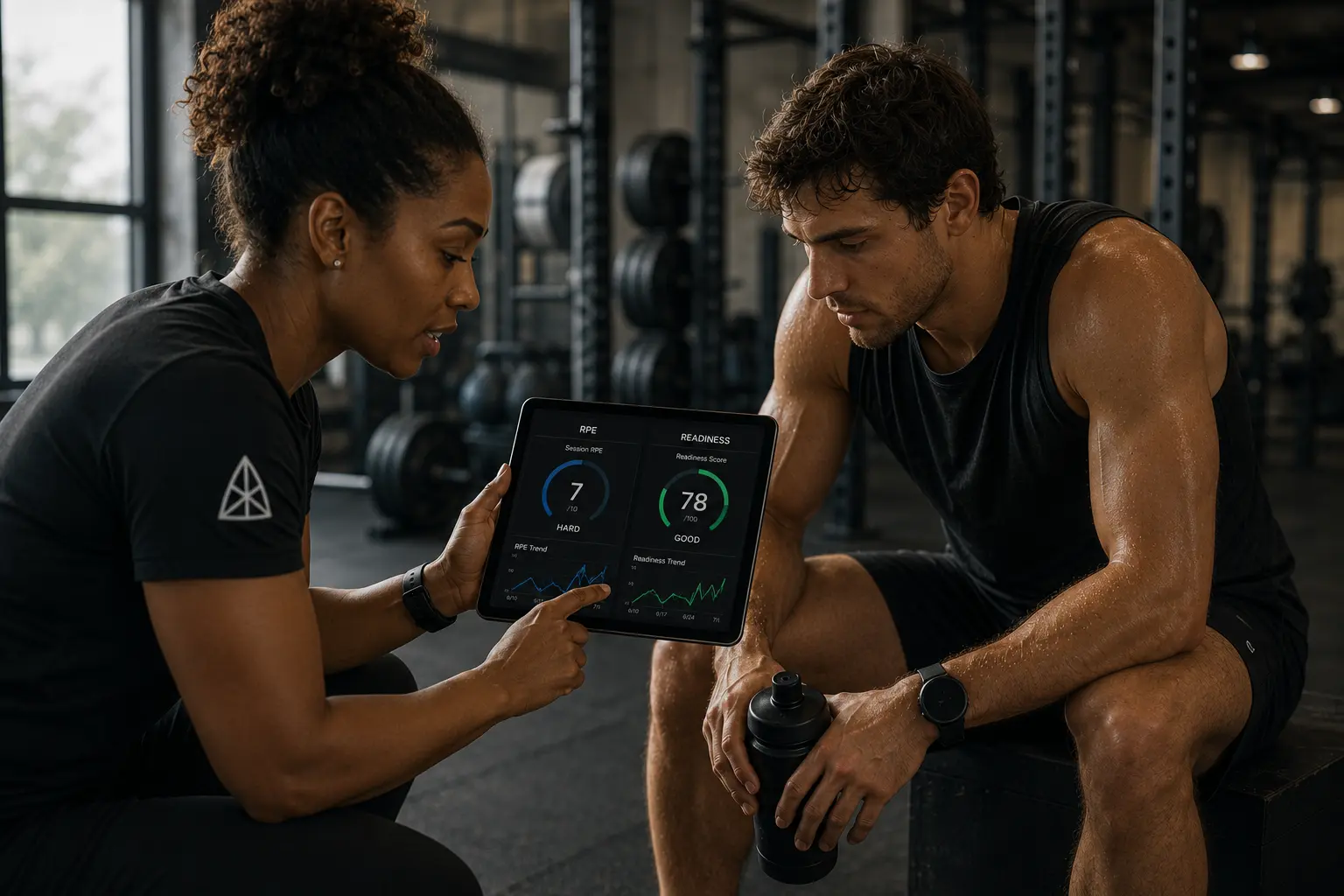
When RPE and Readiness Scores Disagree, Which One Do You Trust?
RPE and wearable readiness scores measure different things, and expecting them to always agree misunderstands what each is built to do. This article covers where they typically diverge, why, and a practical framework for what to do when an athlete’s self-report and their device disagree.
-

What 507 Athlete Cohorts Tell Us About Somatotype, and How to Use It
Somatotype scores physique on three components: fatness, muscularity, and linearity. Drawing on a reference dataset of 507 athlete cohorts, this article shows how builds converge by sport and position, from the most muscular powerlifters to the most linear volleyball players. It then separates the trainable components from the fixed ones, so the method can be…
-
What Elite Coaches Do Differently (And Why Most Coaches Never Figure It Out)
What separates elite coaches from everyone else isn’t experience or talent — it’s systems. Four principles from peer-reviewed research that define world-class coaching practice.
-
HRV Explained for Coaches: What It Actually Measures, When to Use It, and When to Ignore It
HRV is a genuinely useful coaching tool. It’s also widely misunderstood. Here’s what the research says about when to act on it, when to ignore it, and how to combine it with RPE for a clearer picture.
-
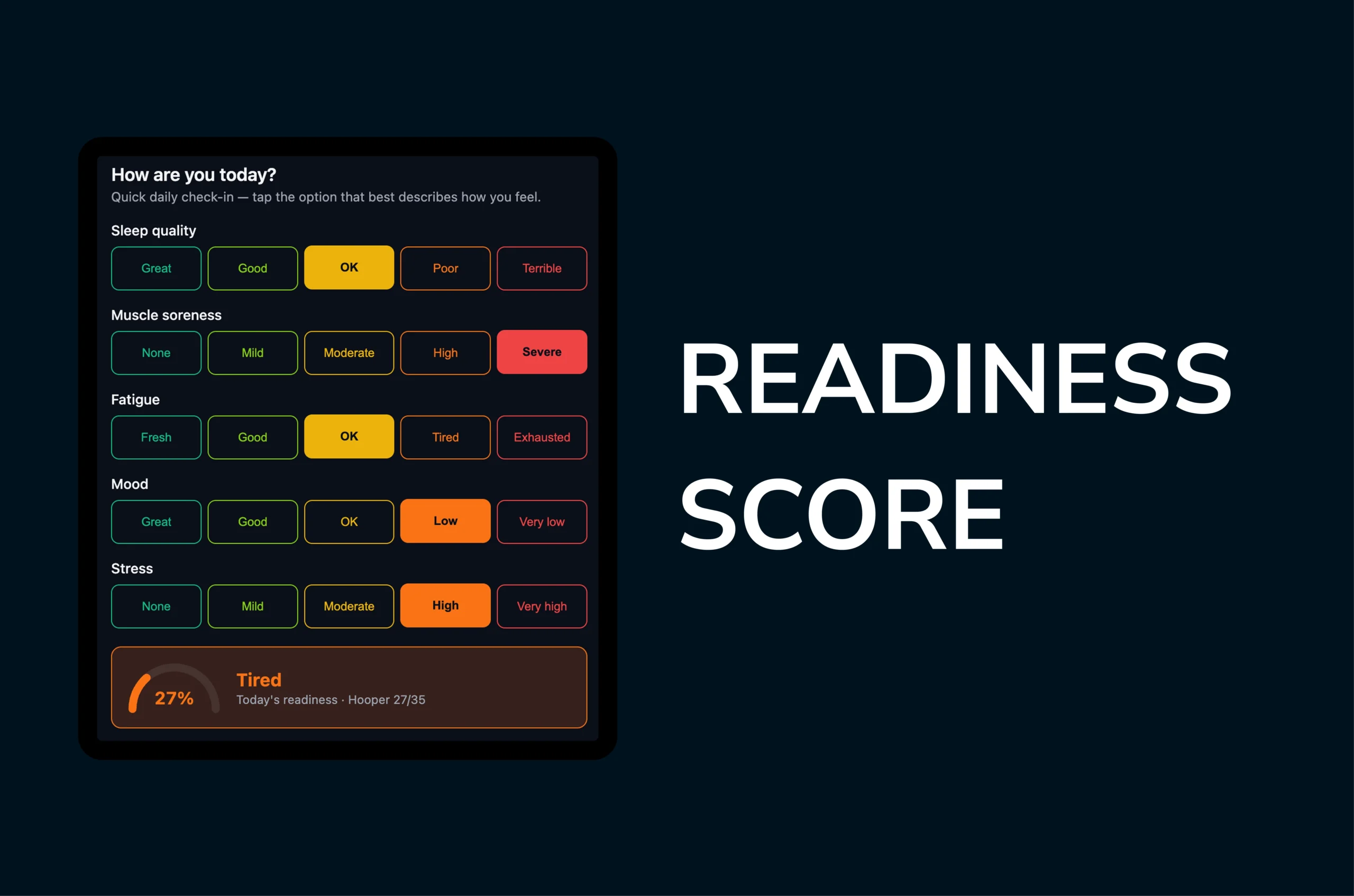
Daily readiness
Daily readiness — asking an athlete how they feel before training — is one of the cheapest pieces of monitoring infrastructure in elite sport. According to thirty years of evidence, also one of the most informative. A history from Hooper’s 1995 swimmers to the 2016 review that surprised the field, plus notes on how readiness…