
Tag: sports science
-

Zone 2 Is Having a Moment. Here’s What the Evidence Actually Supports.
Zone 2 went from a quiet endurance-training foundation to a full wellness trend. This article separates what it reliably does from the claims that outran the evidence, and covers how it fits into a week for someone who isn’t a full-time athlete.
-

Muscle Memory: What Actually Stays When You Stop Training
Muscle memory, the fast comeback after a training layoff, has a genuine cellular explanation involving retained myonuclei, and a competing explanation involving the nervous system. This article covers both mechanisms, what animal and human research actually show, and what it means for programming a returning client.
-

The Off-Season Is Not Optional
Skipping or shortening the off-season carries a measurable physiological cost. This article covers what the research on detraining shows, how much recovery time athletes actually need, and how to structure the off-season as its own periodized phase.
-

The History of Interval Training: From Gerschler and Zatopek to Modern HIIT
The structure of interval training is nearly a century old, established by coaches through observation long before the physiology was formalized. This article traces the arc from fartlek and Gerschler’s Freiburg method through Zatopek and Astrand to the modern HIIT research of Tabata, Gibala, and the Norwegian 4×4.
-

Electrolyte Supplementation: Who Needs It, and When
Electrolyte powders have expanded from an endurance product into a daily wellness category. This article sets out why routine supplementation adds little for most people, the specific conditions under which replacement is worthwhile, and where the evidence remains contested even within endurance sport.
-

What Elite Coaches Do Differently (And Why Most Coaches Never Figure It Out)
What separates elite coaches from everyone else isn’t experience or talent — it’s systems. Four principles from peer-reviewed research that define world-class coaching practice.
-

The 12-Week Athlete: What Happens When You Let Data Override the Plan
The athletes who improve most over 12 weeks aren’t the ones who follow the plan most faithfully — they’re the ones whose coaches adjust when the data says to. Here’s what the research shows.
-
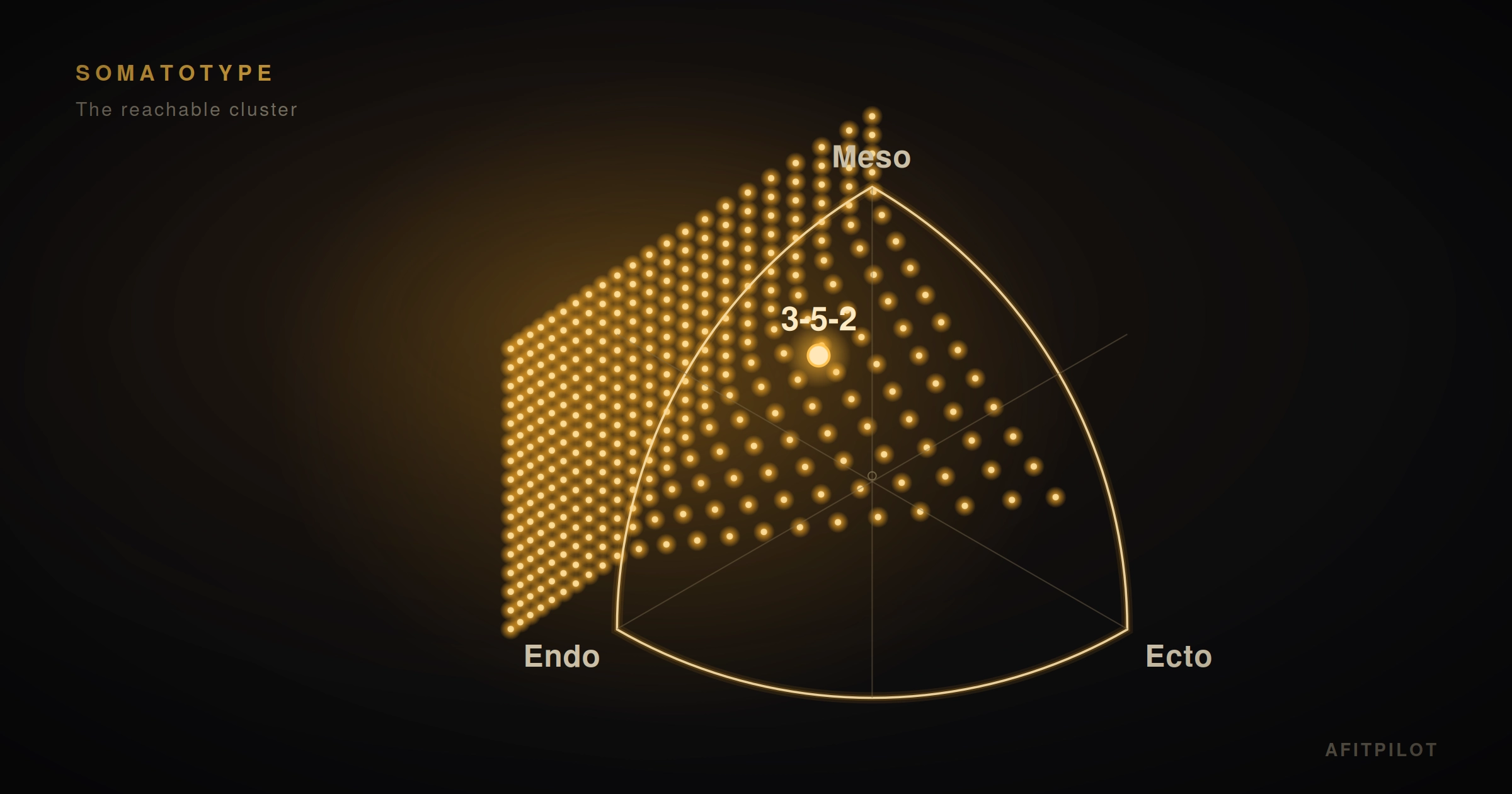
Can You Change Your Somatotype? A Constrained-System View
Somatotype gets treated as a fixed label, but the Heath-Carter equations describe a constrained system. Height and bone breadth are locked; fat, muscle, and weight aren’t. A look at which inputs can actually move, by how much, and how fast — and why ectomorphy is the axis you don’t control directly.
-
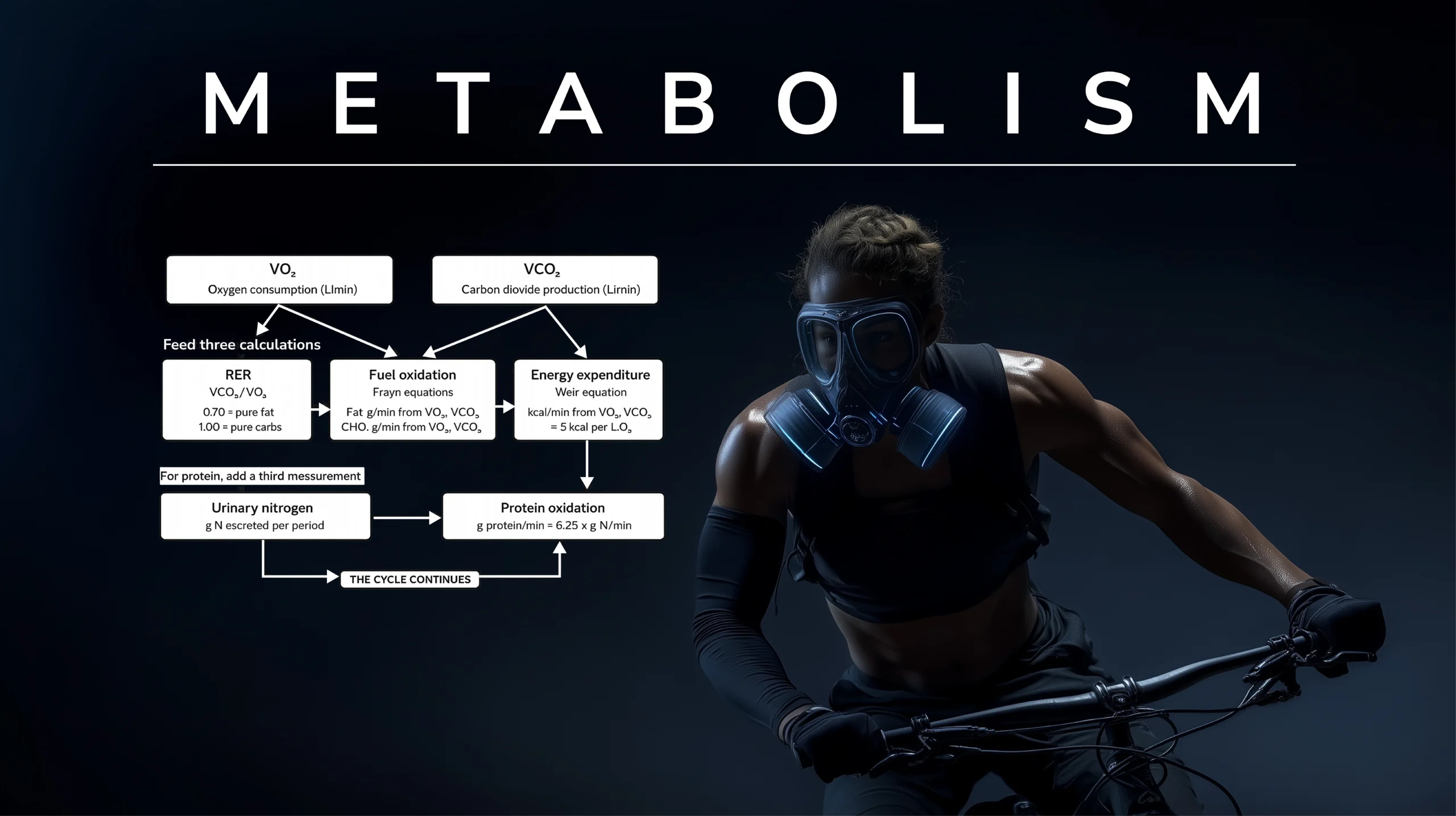
Claude Gordon Douglas
Claude Gordon Douglas published a method in 1911 that became the gold standard for measuring human metabolism for most of the 20th century. The method is named after the bag he designed to collect exhaled air — a canvas bag, a mouthpiece, a one-way valve, a stopcock. From that apparatus, plus two analytical refinements published…
-
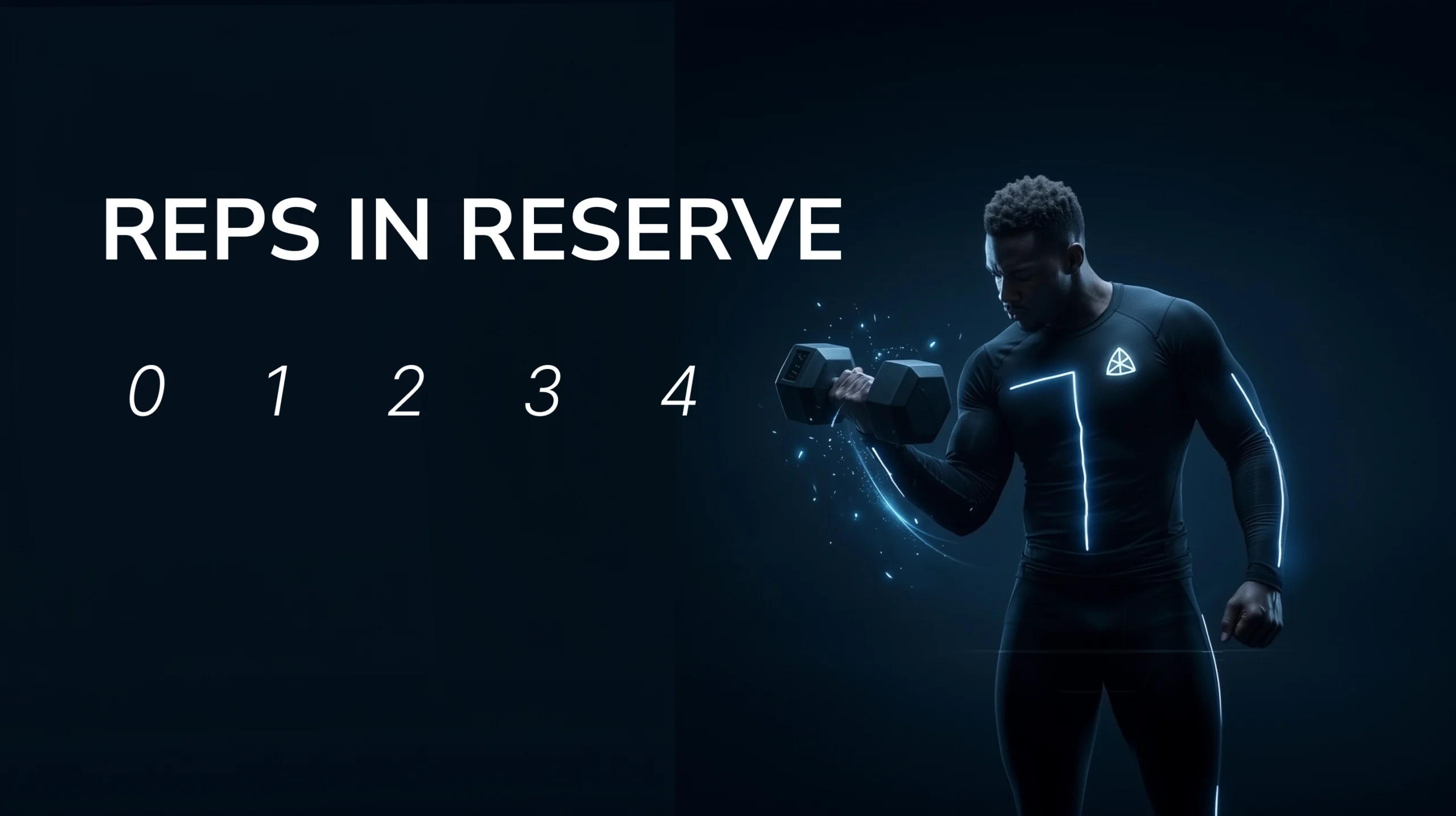
Reps in reserve
Reps in reserve is the strength-training cousin of Borg’s perceived exertion scale, applied per set rather than per session. Unlike the other measurement instruments in this series, RIR has no single inventor — it came from a coach in 2008, a research group in 2012, and another in 2016. A history of how a powerlifting…